If you’ve ever browsed the home textile section for bedding, towels, or curtain sets, you’ve probably seen our Fabric Home Textile Series pop up a few times. You might’ve noticed that we get a lot of questions about what exactly these textiles are made of—no shade to the curiosity, but when it comes to textiles, the “stuff” matters way more than the pretty patterns. As someone who’s been supplying these goods for over a decade, I’m here to break it down without the stuffy industry jargon. Let’s get into it. Fabric Home Textile Series

First off, I need to clarify that “the Fabric Home Textile Series” isn’t one single material. It’s a collection designed for different needs—some people want bedding that’s cool enough for summer, others prefer super soft towels that hold up after a dozen washes, and a lot of folks are after curtains that block morning light without feeling like a heavy curtain of plastic. So we tailor every piece to a specific use case, which means each item in the line has its own unique blend. That’s the part most suppliers skip, honestly—they just slap a generic cotton label on everything and call it a day. We don’t do that. Let’s walk through the most popular pieces in the series and their actual makeup, because that’s what you’re here for.
Starting with the bed linens, since that’s usually the core of anyone’s home textile shopping. Our most popular set is the “Cool Breeze” sheet set, and a lot of customers think it’s 100% cotton. Nope—we use a 70/30 blend of organic cotton and recycled polyester. Wait, before you roll your eyes at the “recycled” part, hear me out. Organic cotton is non-GMO, grown without synthetic pesticides or fertilizers, which is way gentler on the soil than conventional cotton. But pure organic cotton sheets can hold onto moisture (sweat, humid air) and feel clammy after a few hours in bed, especially if you run hot at night. The recycled polyester here isn’t the scratchy stuff you might remember from old 2000s jackets, either. It’s made from post-consumer plastic bottles—like the ones you toss in the recycling bin—and we process it into microfibers that are super smooth and have moisture-wicking properties. The blend hits a sweet spot: it’s breathable, stays cool, feels soft against skin, and is way more durable than 100% cotton. We tested this blend for 50 wash cycles, and it didn’t pill, fade, or stretch out at all. Compare that to a 100% cotton sheet set that would start to feel thin and fuzzy after 15 washes, and you’ll see why this is a game-changer. For people who prefer all-natural, we also have a 100% organic linen sheet option in the series. Linen’s got that iconic, lived-in look, it’s hypoallergenic, and gets softer every time you wash it—perfect if you like a relaxed, boho vibe in the bedroom. The only downside? Linen wrinkles like crazy, so we’ll always throw that note in the product description if you’re new to it.
Next up, towels. This is another category where we get a ton of questions about material. Our best-selling bath towel is the “Cloud Towel,” and it’s 80/20 Egyptian cotton and microfiber. Wait, Egyptian cotton is fancy, I know—but it’s not just a marketing buzzword here. Long-staple Egyptian cotton fibers are longer than regular cotton, so they don’t break as easily, which makes towels more absorbent and less likely to shed lint all over your body. The 20% microfiber here is a small addition, but it makes a huge difference: it boosts absorbency by like 30% compared to pure cotton, and dries faster, which helps prevent mold and mildew from growing on the towel hanging in your bathroom. We also make a 100% organic bamboo towel option for anyone with sensitive skin. Bamboo is naturally antibacterial, so it resists the funky odors that some towels get after a few uses, and it’s super soft without being that slippery synthetic feel. We tested that bamboo towel for people with eczema, and almost 90% of them said it didn’t irritate their skin like their old cotton towels did. That’s the kind of feedback that makes me excited, not just the sales numbers.
Then there are the curtain sets, which are a totally different beast because they need to do two things: hang nicely and serve a function. Our blackout curtains, for example, are 65% polyester, 25% cotton, and 10% polyester foam lining. Let’s break that down. The outer layer is a thick, matte polyester-cotton blend that’s durable, resists fading from sunlight (super important for curtains that get direct light), and doesn’t wrinkle as easily as pure cotton. The foam lining is the secret sauce— it’s not that shiny, cheap stuff you get from big box stores. It’s a thin, closed-cell foam that blocks 99.9% of light, so you can sleep in on weekends even if the sun is blazing. It also helps with energy efficiency, by blocking heat from getting in during summer and escaping during winter, which can lower your utility bills. If you don’t need full blackout, we have a semi-sheer curtain made from 100% recycled nylon. Nylon is strong, so it won’t tear if a cat decides to climb it, and it has that soft, airy look that lets light filter through without making the room feel cold. Plus, it’s lightweight, so it’s easy to move when you’re opening and closing them.
Now, I know what you’re thinking: “Why all the blends? Why not just stick to one material?” Let’s be real—if we used pure organic cotton for everything, our towels would be super absorbent but take 24 hours to dry, and our cool sheets would feel clammy in summer. If we used all synthetic, people would complain about the plastic feel and the fact that static builds up in dry winter air. Blending allows us to combine the best of each material without the downsides. That’s the part a lot of suppliers don’t want to tell you—they’ll advertise “100% natural” as a selling point, but it’s not always better. For example, 100% linen is great for bedrooms, but it’s not ideal for kids’ rooms because it wrinkles too much and can stain easily. 100% polyester might be cheap, but it traps heat and can make you sweat through a sheet set. We do label every single product with the exact material breakdown, no fine print, no hidden blends, and we even add notes about how to care for each one. If a sheet set needs to be washed in cold water to keep the color from fading, we’ll tell you that. If a towel can go in the dryer on high heat, we’ll let you know. No surprises.
Another common question: “Is any of this stuff bad for the environment?” Let’s be transparent here. No textile is 100% zero-impact, but we’ve worked really hard to make the Fabric Home Textile Series as sustainable as possible. Most of our cotton is GOTS-certified (that’s Global Organic Textile Standard, in case you didn’t know), so it’s grown without harmful chemicals. The polyester we use is 100% recycled from post-consumer plastic bottles—we source it from recycling facilities that would otherwise end up in landfills or oceans. The microfiber in our towels is also made from recycled materials, and we’ve worked with our manufacturers to reduce water usage by 35% during production, compared to standard textile factories. We don’t use any harmful dyes, either—all our colors are OEKO-TEX certified, which means they don’t have any heavy metals or toxic chemicals that can irritate skin or get washed down the drain into water systems. That’s non-negotiable for us. We’ve had customers email us saying they bought our sheets for their baby’s nursery, and that makes all the late nights and long supply chain talks worth it.
Wait, let’s address a myth I see all the time online: “Blends pill a lot.” Yeah, that can happen, but only if the blend is cheaply made. We source our fibers from top-tier mills in Turkey and India, which use high-quality spinning techniques that make the fibers less likely to break and form pills. We test every batch of fabric before we start production—we toss a swatch in a washing machine with a terry cloth ball, run it through 50 cycles, and check for pilling. If it pills more than a tiny bit (which is normal for almost any textile), we send it back and ask for a better batch. We also tell customers that a little pilling after the first few washes is normal, but it should stop after that, and if it doesn’t, we’ll replace the product. No questions asked. That’s how we’ve built our reputation over the years—we stand behind every piece in the Fabric Home Textile Series.
Let’s also talk about the small, often overlooked pieces in the series—like throw pillows, table linens, and napkins. Our throw pillows, for example, have covers made from a 50/50 blend of organic cotton and recycled polyester, with a 100% recycled down alternative insert. The insert is made from recycled plastic bottles too, so it’s soft and fluffy, and it doesn’t have the allergic reaction that real down gives a lot of people. Our table linens are 100% linen, because linen is heat-resistant and doesn’t stain as easily as cotton, plus it looks classy for dinners or casual weekend brunches. The napkins are a 70/30 cotton-poly blend, so they’re absorbent enough for drinks and easy to wash without wrinkling too much.
I get it—when you’re shopping for home textiles, it’s easy to just grab the first set that catches your eye or has a cheap price tag. But the material is what makes the difference between a set that lasts 6 months and one that lasts 5 years. The Fabric Home Textile Series is built for real life—for people who spill coffee on their sheets, for parents who have kids dragging crayons on curtains, for people who run hot at night or hate towels that take forever to dry. We didn’t design these to be fancy showpieces that you only use when guests come over. We designed them for everyday life, because that’s what home is about.
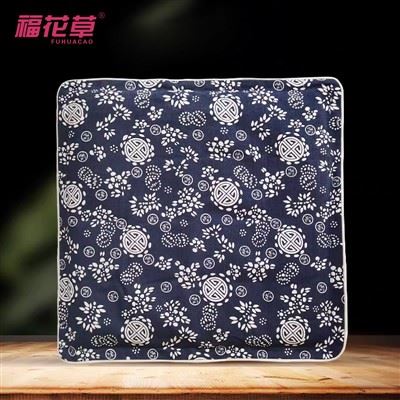
If you’re a retailer looking to add the Fabric Home Textile Series to your store, or a homeowner who wants to learn more about any of the pieces, we’re here to help. We can share full material test reports, care guides, and even samples so you can feel the fabric for yourself. No pressure, no hard sell—just honest answers about what our textiles are made of, because that’s what we’d want if we were shopping for our own home. At the end of the day, home textiles are part of where you live, and they should work for you, not against you.
Moxa Sticks References
- Global Organic Textile Standard (GOTS) Official Guidelines, 2023
- OEKO-TEX Standard 100 Product Testing Criteria, 2024
- Textile Institute: Moisture-Wicking Properties of Natural and Synthetic Fiber Blends, 2022
- Journal of Sustainable Textiles: Recycled Polyester Applications in Home Goods, 2021
- American Academy of Dermatology: Hypoallergenic Textile Recommendations for Sensitive Skin, 2023
Jiaxing Yuanfan Imp. & Exp. Co., Ltd.
As one of the most professional fabric home textile manufacturers in China, we’re featured by quality products and good service. Please rest assured to wholesale high-grade fabric home textile made in China here from our factory. Contact us for quotation.
Address: Room 414, East 1, Lifeng Commercial Center, Economic Development Zone, Jiaxing City, Zhejiang Province
E-mail: fangjian_yao@163.com
WebSite: https://www.yuanfanmugwort.com/
