Hey there, fellow farmers, ag tech folks, and anyone who’s ever stared at a silage baler and thought “cool machine… but what if it doesn’t go right?” As a guy who’s been selling silage balers for over a decade—seen a few close calls, fixed my share of broken parts, and heard way too many horror stories about skipping basic safety steps—I can tell you this: operating a baler isn’t just about pressing a button and hoping for good bales. It’s the kind of machine that can sneak up on you if you’re not paying attention, and I’m here to lay out the real, practical stuff you need to know, no fancy jargon or overblown scare tactics. Silage Balers

Let’s start with the basics: before you even turn the key, take 5 minutes to do a walkaround. I know, I know—your to-do list is stacked high, and the grass isn’t gonna bale itself. But here’s the thing: I once had a customer who skipped the walkaround and got his shirt caught in a frayed drive belt that he totally would’ve seen if he’d just glanced down. Don’t be that guy. What do you actually check? First, make sure all the guards are in place. Those metal (or plastic) covers around the belts, pulleys, and the baling chamber? They’re not just there to keep dirt out—they’re your number one line of defense against getting pulled into a moving part. I still get customers calling me like, “Uh, one of the guards fell off last season, I just didn’t bother putting it back” and that gives me a heart attack. If a guard’s broken, replace it immediately, not later. Second, check for any loose bolts or worn parts. The baler vibrates like crazy when it’s running, so a bolt that feels tight now could work itself loose by mid-bale, and suddenly you’ve got a flying part or a misaligned roller. Third, do a quick scan of the ground around the machine. Pick up rocks, sticks, metal scraps—any debris that could get sucked into the feeder and kick back at you, or jam the baler and cause it to lurch. Last year, a guy told me a rock he missed put a 2-inch dent in his feeder housing and broke the shear pin, which shut him down mid-baling season. No one wants that headache.
Next up: personal protective equipment (PPE). I’m not gonna tell you to wear a full-body hazmat suit—c’mon, it’s 90 degrees out and you’re in the middle of a hay field. But there are non-negotiables. Steel-toe boots, for starters. The baler weighs thousands of pounds, and if it rolls a little when you’re hitching it to your tractor, or a bale rolls off and hits your foot, sneakers aren’t gonna cut it. I’ve seen a guy break his big toe so bad he couldn’t work for 6 weeks ‘cause he wore work boots that were too thin. Then, hearing protection. Those engines are loud—like, louder than a lawnmower on steroids. If you don’t wear earplugs or earmuffs, after an hour you’re ringing so bad you can’t hear your own tractor radio, and after years of that, you’ll have permanent hearing damage. Don’t skip this one. Gloves, too. Not just any gloves—work gloves with good grip, not the thin kind you use for gardening. They keep blisters off, and if you’re feeding hay by hand, they stop splinters from jabbing your fingers. One thing I always tell people: leave the jewelry at home. Rings, watches, bracelets—even a necklace—can get caught in moving parts faster than you can react. I’ve lost count of the times a customer’s told me a ring almost got pulled off their finger when they reached into the baling chamber to clear a jam. Not worth it.
Now, the part that trips up almost everyone: operating the baler. Let’s start with hitching it to the tractor. Make sure the hitch pins are fully locked, and the safety chains are crossed under the hitch—this keeps the baler from flipping if it tips to the side. Never ride on the baler, either. I know it’s tempting to stand on the back while it’s moving to adjust the hay, but that’s one wrong step and you’re under the machine. No exceptions. When you’re loading the feeder, never reach into it while the tractor is running. If it jams, shut the tractor off, take the key out, and wait 10 seconds for all moving parts to stop before you stick your hand in. I get at least one call a month from someone who tried to clear a jam while the engine was on, and they’ve got a bruised arm or worse. If you have to clear a big jam, use a stick or a metal rod—don’t use your hands or your foot. That’s another rule: keep your feet and hands away from the feeder aperture and the baling chamber at all times when the machine is running.
Speaking of jams—let’s talk about emergency stops. Every silage baler comes with an emergency stop button, usually big, red, and easy to reach. Make sure you know where it is before you start the machine, and test it every few bales to make sure it works. If something goes wrong, hit that button immediately—don’t hesitate. Too many people freeze up when a part breaks or a jam happens, and by the time they act, it’s too late. Also, never leave the baler running unattended, even for a minute. You think you’ll just run to the truck to grab a drink, but the next thing you know, a jam happens, no one’s there to hit the stop button, and you’re looking at thousands of dollars in damage. If you have to step away, shut the tractor off, take the key with you, and make sure everyone around you knows the machine is off.
Another thing most folks don’t think about: safe handling of finished bales. Silage bales are dense, heavy, and sharp at the ends, right? When you’re moving them with a loader or a forklift, make sure the equipment is rated for the weight of the bale. A standard round silage bale can weigh 1,000 pounds or more—using a loader that’s too small isn’t just risky, it’s illegal. Also, when you’re stacking bales, don’t stack them higher than you can reach safely. If you’re stacking 5 high, and one falls, you could get crushed. Always use proper sling straps or bale forks, not just rope, which can snap under the weight. And never let kids or bystanders near the bale stack or the baler when it’s running—my advice is to set up a safety zone 50 feet around the machine when it’s in operation, so no one accidentally wanders over. I see this all the time: a farmer’s kid comes running over with a snack, and the farmer is so focused on adjusting the baler they don’t notice. That’s a recipe for disaster.
Wait, let’s talk about maintenance, too—because safety doesn’t stop when the workday ends. You should be doing daily, weekly, and monthly checks on your baler, not just waiting for it to break mid-season. Daily: check oil levels, tire pressure, and the condition of the belts. Weekly: tighten any loose bolts, inspect the shear pins (those are designed to break if something jams, so if one breaks, replace it immediately and figure out why it jammed, don’t just skip it), and lubricate all moving parts. Monthly: do a full inspection of the baling chamber, the feeder, and all the guards. If you ignore maintenance, small issues turn into big safety hazards. A loose belt that’s never tightened can snap and fly across the field, hitting someone or something. A worn shear pin that never gets replaced can cause the whole feeder to seize up while you’re running, which could yank you out of the tractor seat.
Oh, and one more common mistake: modifying the baler without checking. I get it, you want to make your machine work better for your farm, but cutting off a guard to make feeding hay faster, or welding a part that’s not meant to be welded, is a huge risk. Those guards and parts are engineered to protect you and the machine—changing them can throw off the balance or expose moving parts. If you have an idea for a modification, run it by your dealer first, or a certified ag mechanic. I’ve had customers who modified their baler and it caused a jam that sent a metal piece flying, and they’re lucky no one got hurt.
Now, let’s get real—this isn’t about scaring you from using your silage baler. It’s about making sure you get through baling season without injuries or costly downtime. I’ve been in this game long enough to know that skipping a safety step saves 2 minutes in the moment, but costs you weeks of work or worse down the line. At our company, we build our balers with safety in mind—every machine we sell has reinforced guards, clearly marked emergency stops, and easy-to-read manuals with all these steps laid out—but no machine is safe if the operator isn’t paying attention.
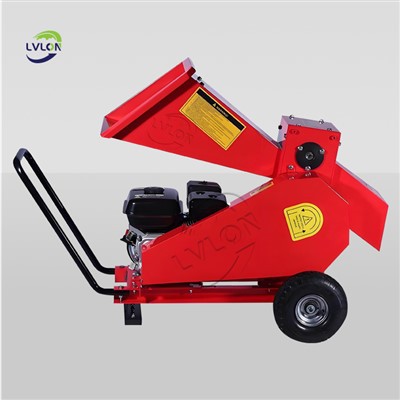
If you’re looking to upgrade your current baler, or you’re a new farmer getting your first one, we can hook you up. We’ve got models for small family farms to large commercial operations, and our team can walk you through all the safety features specific to our machines, plus answer any questions you have about proper operation. Just reach out to us to talk pricing, specs, or scheduling a demo—we’re here to help you get the job done safely and efficiently.
Grain Threshing References
National Ag Safety Database (NASD) – Agricultural Machinery Safety Guidelines
Occupational Safety and Health Administration (OSHA) – Safety Standards for Agricultural Equipment
American Society of Agricultural and Biological Engineers (ASABE) – Safety Practices for Forage Harvesting Equipment
Henan Lvlon Industrial Co., Ltd.
Address: Unit 5, 5th Floor, Building 11, No. 18 Dongfeng Road, Jinshui District, Zhengzhou City, Henan Province.
E-mail: lvlonxu@gmail.com
WebSite: https://www.lvlonmachinery.com/
