If you’ve ever stared at your weathered garden shed—its wood grain dulled by mildew, its paint peeling in patches, its sides streaked with years of dirt and moss—and wondered if a high pressure washer could cut through that grime without turning the shed into splinters, you’re not alone. As a high pressure washer supplier who’s spent the last 12 years helping homeowners, small business owners, and even property managers figure out exactly what our machines (and yours) can safely tackle, this question comes up at least once a week. The short answer? Yes—but only if you do it right. Let’s break down the science, the mistakes people make, and the tips that’ll get your shed looking like new without ruining it. High Pressure Washer
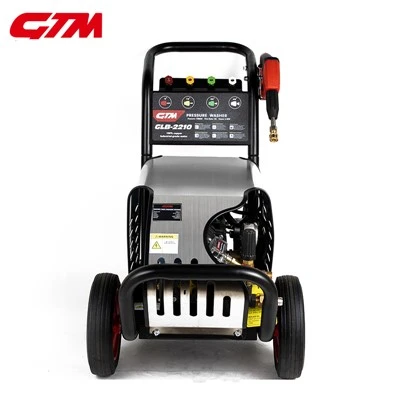
First, let’s get one thing clear: not all high pressure washers are the same. The difference between a unit that cleans a shed and one that damages it boils down to two numbers: PSI (pounds per square inch, that’s the force of the water) and GPM (gallons per minute, how much water hits the surface). Most off-the-shelf consumer high pressure washers run around 1,300 to 2,400 PSI, while professional-grade models go up to 3,000 PSI or more. Here’s the big rule for sheds: wood (the most common shed material, whether it’s cedar, pine, or plywood) has a porous, soft surface that can easily be gouged by too much pressure. A 3,000 PSI pro unit is perfect for cleaning concrete or deck stains, but it’s overkill for a shed. I’ve seen it a hundred times—someone rents a heavy-duty pressure washer to blast their shed, and within minutes, they’ve left deep grooves in the wood, torn off siding panels, or even waterlogged the beams so bad they start to rot within a month. That’s why my team and I always tell first-time users to stick to a maximum of 2,000 PSI for wooden sheds. If your washer runs higher, no worries—we’ll show you how to adjust the nozzle to dial it back.
Wait, what about other shed materials? If you have a vinyl shed, metal, or even plastic, you can push the PSI a little higher—up to 2,500 PSI for vinyl and 3,000 for thin metal— but still, take it slow. Vinyl scratches easily, and metal can pit if the pressure is too high, leaving spots where rust will take hold later. The key is matching the pressure to the surface, not just grabbing the most powerful washer you can find.
Now, let’s talk about the actual cleaning process, because that’s where most people mess up. Even if you have the right PSI, holding the nozzle too close to the surface or standing at the wrong angle is a surefire way to damage your shed. I always compare pressure washing to mowing the lawn: you shouldn’t stand right on top of what you’re working on. For sheds, keep the nozzle 12 to 18 inches away from the wood, and angle it so the water is parallel to the siding, not straight into the cracks between boards. If you spray straight down into those gaps, you’re forcing water into the wood’s core where it can get trapped, leading to rot or mold that you can’t see on the surface. That’s a common mistake—people want to blast every speck of dirt away fast, but taking your time with long, sweeping, side-to-side passes is way better.
Another big one: what cleaning solution are you using? Plain water works for light dirt, but if you have mildew, algae, or tough grime, you’ll want a pressure washer detergent. A lot of people grab harsh chemicals like bleach, but those can kill plants, grass, and even pets if they run off into your garden. My team recommends using a dedicated outdoor pressure washer detergent that’s biodegradable—we even have our own line formulated specifically for wood siding that kills mildew without damaging the wood’s natural protective finish. Pro tip: never spray detergent with the high-pressure nozzle. Use the low-pressure soap setting on your washer to apply the solution, let it sit for 5 to 10 minutes (don’t let it dry on the surface!), then rinse with the high-pressure setting. That extra time waiting for the detergent to work is way more effective than blasting right away, and it means you don’t have to crank up the pressure to get tough stains out.
I know someone reading this is thinking, “But what about old, weathered sheds? The ones that have moss growing on the roof and siding?” Let’s address the elephant in the room: if your shed is more than 15 years old, or if it’s already showing signs of rot (soft spots, peeling paint that leaves wood exposed), a high pressure washer might not be your best first step. Even at safe PSI, blasting a rotting shed can cause more damage, because the wood is already weakened. In that case, I suggest starting with a soft bristle brush and your detergent to gently scrub away moss, then only use pressure washing on the areas that are still solid. For solid, well-maintained sheds, though, pressure washing is a game-changer—way faster than scrubbing by hand, and it gets into all the nooks and crannies where moss and mildew hide.
Let me also bust a myth I hear all the time: “Pressure washing will strip the paint off my shed.” It can, if you do it wrong. If you hold the nozzle too close, or use too high of pressure, yes—paint will chip and peel. But if you stay at that 12 to 18 inch distance, angle correctly, and use the right PSI (under 2,000 for painted wood), you can actually paint over a freshly pressure-washed shed the same week, because the surface is clean and ready for new paint or stain. I always tell customers to test a small, hidden spot first—like the back corner of the shed, where it’s not visible from the yard—to see how the washer reacts. Once you confirm the pressure isn’t damaging the wood or paint, you can go to work on the rest.
Over our years as a high pressure washer supplier, we’ve also noticed that people often forget to maintain their washer, which can lead to unexpected pressure spikes. A dirty nozzle, for example, can restrict water flow and make the pressure jump higher than it’s supposed to. That’s why we send every customer a free maintenance guide with their purchase, and we host quarterly free workshops (both online and in local hardware stores) to walk people through basic upkeep. If your washer starts acting weird mid-job—like it’s spitting water harder than usual—stop, check the nozzle, and don’t keep going until it’s fixed. A $5 nozzle replacement can save you hundreds in damage to your shed.
Let’s talk about a recent example, because numbers help make this real. Last spring, a customer named Sarah came to me panicking. She’d rented a 3,200 PSI pressure washer to clean her 10-year-old wooden shed, and after 10 minutes, she’d gouged three of the siding boards and left a big streak of water down the back that she was worried would rot. She was ready to buy a whole new shed, but instead, I sold her one of our entry-level consumer high pressure washers that maxes out at 1,800 PSI, gave her our wood-safe detergent, and walked her through the right technique. She texted me a week later with photos—her shed looked brand new, no damage, and she was already planning to re-stain it that weekend. That’s the result we want for every customer: a clean shed, no hassle, no repairs needed.
If you’re still on the fence, here’s the checklist I give anyone considering pressure washing their shed:
- What’s your shed made of? Wooden = max 2,000 PSI; Vinyl = max 2,500 PSI; Metal = max 3,000 PSI.
- Is your shed solid, or does it have soft spots or rot? If it’s rotting, skip the high pressure and start with gentle scrubbing.
- Are you using biodegradable detergent? Avoid harsh bleach-based cleaners if you have plants nearby.
- Are you keeping the nozzle 12-18 inches away, at a parallel angle? No straight-on spraying into cracks.
- Did you test a hidden spot first? Always do that before tackling the visible sides.
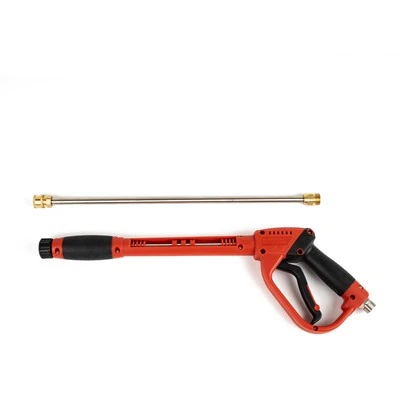
At the end of the day, a high pressure washer can absolutely clean your shed—you just have to match the tool to the job, and follow the simple safety and technique rules. As a supplier, our job isn’t just to sell you a machine—it’s to make sure you use it right, and get the results you want without damaging the things you care about. If you’re not sure which washer is right for your shed, or if you have questions about technique, our team is here to help. We work with homeowners, contractors, and everyone in between, and we’re happy to answer any questions you have, no pressure, no sales pitch. Whether you need to replace your current washer, pick out a new one, or just get tips for your upcoming shed cleaning project, reach out to connect with our team to discuss your needs.
Surface Cleaner References:
- American Wood Protection Association. (2021). Best Practices for Pressure Washing Wood Surfaces. AWPA Standards & Technical Bulletins.
- Pressure Washers Manufacturers Association. (2022). Safe Pressure Ratings for Common Exterior Surfaces. PWMA Consumer Safety Guidelines.
- University of Minnesota Extension. (2020). Cleaning Outdoor Structures Safely and Effectively. Extension Service Publication FS-1426.
- Environmental Protection Agency. (2021). Biodegradable Cleaning Products for Outdoor Use. EPA Safer Choice Program Guidelines.
Zhejiang GTM Hi-Tech Intelligent Equipment Co., Ltd.
As one of the most professional high pressure washer manufacturers and suppliers in China, we also support customized service. With abundant experience, we warmly welcome you to buy discount high pressure washer for sale here from our factory. For price consultation, contact us.
Address: No.5 of Changjiang Road, 2nd Economic Development Zone of Wenling, Zhejiang, China
E-mail: yehuanting1@hongyemfg.com
WebSite: https://www.gtm-plungerpump.com/
