If you’ve ever walked into a modern, sunlit home with smooth, uninterrupted beams, a rustic-sleek feature wall, or a built-in shelf that seems to stretch without a single visible joint, you might’ve wondered: that wood is too perfect. Most people assume it’s solid hardwood—like oak or maple—but as someone who’s supplied LVL (Laminated Veneer Lumber) to builders, designers, and renovators across the country for over a decade, I’m here to tell you that many of those showstopping features are actually made with LVL, and it’s not just for structural work. For years, LVL was relegated to framing floors, supporting roof trusses, and holding up load-bearing walls—its reputation was strictly functional, like the reliable workhorse of the wood world. But lately, I’ve watched interior designers, residential architects, and even DIY homeowners shift their view: LVL isn’t just for holding up a house. It’s a wildly versatile, sustainable, and visually stunning material for decorative use, too. LVL
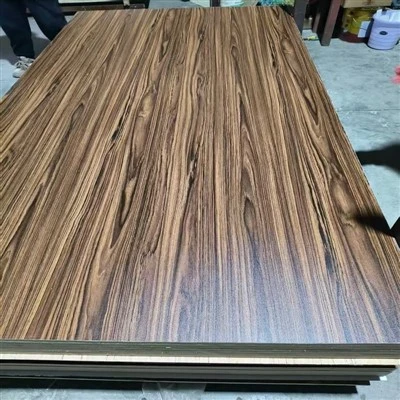
Before we get into the pretty stuff, let’s break down what LVL actually is, because that’s where most of the confusion comes from. Unlike solid lumber, which is cut from a single tree trunk (and limited by how big or straight that trunk grows), LVL is made by peeling thin, 1/10-inch-thick wood veneers from small diameter logs, then arranging and gluing them together with a waterproof, structural adhesive. The veneers are always aligned parallel to the length of the LVL, which gives it incredible strength—stronger than solid hardwood of the same thickness, in fact. But here’s the thing: that same process that makes it structurally superior is also what makes it ideal for decor. Because it’s manufactured, not harvested whole, LVL can be cut to almost any length (think 40-foot uninterrupted beams) and dimension, with minimal warping, twisting, or knots. Solid oak might have a knot where a branch once grew, or a natural curve that limits how smooth a beam can be. LVL, by contrast, is consistent—no random knots, no gaps, no uneven grain. That consistency is catnip for designers, because it lets them create intentional, modern lines that would be impossible with solid wood.
Let’s start with one of the most popular decorative uses for LVL: exposed structural accents. A few years ago, we supplied LVL beams for a residential renovation in Portland, Oregon, where the homeowners wanted to open up their dark, cramped living room. The original solid-wood beams that had been there for 50 years were rotting in spots, so the designer proposed replacing them with thick, wide LVL beams—7 inches tall, 12 inches wide, and 28 feet long—stained to match the warm walnut tones of their hardwood floors. When the project was done, the beams weren’t just functional (they supported the second floor above) — they were the centerpiece. Guests would comment on how “expensive” the house looked, and when we worked with the general contractor, he told us he’d hidden LVL beams in plain sight for years, but only now are people catching on. The magic here is that LVL can be finished just like any solid wood: sanded smooth, stained, painted, whitewashed, or even left with a clear matte finish to show subtle grain. And because it doesn’t warp, the stain will look uniform for decades, no matter how much humidity or temperature shifts it’s exposed to. That’s a huge win over solid wood, which often develops uneven stain if it’s not properly dried and sealed.
Another big decorative use for LVL is feature walls. A few months back, I got a call from a commercial designer in Austin who was outfitting a boutique coffee shop and wanted a wall that was warm, modern, and would stand up to foot traffic and spills. We supplied her with 2×8 LVL planks, which we cut into random lengths to create a staggered, paneled effect—no two pieces the same, but all with the same subtle, consistent grain. She finished them with a low-sheen polyurethane, and the result is a wall that feels both rustic and polished, like a cross between reclaimed barn wood and minimalist mid-century design. The best part? LVL doesn’t shrink or expand as much as solid wood, so the planks won’t gap over time, even in a space with variable humidity (coffee shops are notoriously hot and sticky from steam machines, after all). That’s a critical detail for decor—nothing kills a clean look like gaps opening between wall panels after a year. For homeowners looking to add a feature wall to their living room or bedroom, LVL planks are a cost-effective alternative to solid hardwood or even engineered wood, with way more consistency.
Shelving is another area where LVL is blowing up in decorative circles. I’ve spent the last few months talking to homeowners who are ditching flimsy particleboard shelves and even solid oak shelves for LVL. Why? Because LVL is incredibly strong—you can put a 10-foot-long LVL shelf that’s only 2 inches thick and it’ll hold hundreds of pounds of books, photos, and decor without sagging. That means you don’t need bulky brackets, which keeps the look clean and modern. A friend of mine recently installed LVL shelves in his home office: two 12-foot-long shelves, 3 inches thick, finished with a dark espresso stain, mounted with hidden floating brackets. They look like custom solid-wood shelves, but he paid 40% less than he would have for the same size solid oak shelves. Plus, because LVL is manufactured, you can cut it to any width—if you want a 18-inch deep shelf for a large TV, no problem. Solid oak would need to be a much thicker piece to support that weight, which would be more expensive and harder to find.
But wait—what about sustainability? That’s a big question I get all the time, especially when we’re talking about decorative materials. A lot of people assume LVL is a processed material that’s bad for the environment, but the opposite is true. LVL is made from small diameter logs—trees that are too small for solid lumber, plywood, or other wood products. Instead of letting those trees go to waste (or being turned into low-grade paper or mulch), they’re peeled into veneers and turned into LVL. In fact, a single 40-foot LVL beam uses wood from logs that would otherwise be discarded because they’re too small for a standard solid beam. Plus, the adhesive used in modern LVL is low-VOC (volatile organic compound), so it doesn’t off-gas harmful chemicals into your home—unlike some of the particleboard or MDF used in budget furniture. We work with suppliers who only use FSC-certified wood for our LVL, so you can feel good about using it for decorative projects, not just structural ones.
Of course, LVL isn’t perfect—there are a few things to keep in mind if you’re considering using it for decor. First, it’s heavier than solid wood of the same strength, so you’ll need to make sure your mounting hardware is sturdy enough, especially for large shelves or beams. Second, the grain of LVL is very linear—if you’re looking for a more chaotic, natural grain pattern (like what you get with live-edge solid wood), LVL might not be the right choice for you. Some people love that uniformity; others prefer the randomness of solid wood, so it’s all about personal style. Third, if you plan to paint LVL, make sure you use a high-quality primer first. LVL is very dense, so paint can bead up if you don’t prep it properly. But that’s a simple fix—nothing a good sanding and two coats of primer can’t handle.
I’ve seen LVL go from a behind-the-scenes workhorse to a go-to material for both residential and commercial decor, and it’s not hard to see why. It’s strong, consistent, affordable, sustainable, and versatile enough to fit any style—whether you’re going for modern minimalist, rustic farmhouse, or industrial-chic. Last year, we supplied LVL for a high-end restaurant in Brooklyn that used it to create a full bar countertop—they cut it to a curved shape, finished it with a black stain, and added a clear epoxy sealant that makes it look like polished stone. It’s held up for over a year, with no scratches, no warping, and no gaps. That’s the kind of durability you can only get from a structural material, but it’s perfect for decorative uses, too.
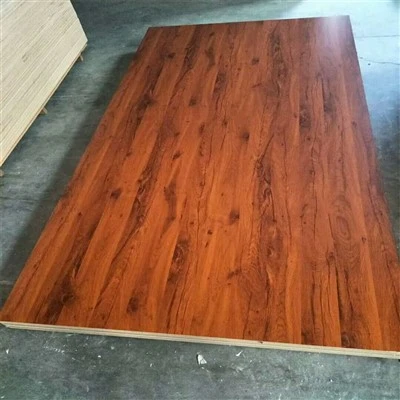
If you’re considering using LVL for your next project—whether it’s a feature wall, exposed beam, custom shelving, or something else entirely—I’d love to chat. As a supplier, I don’t just sell LVL; I work with designers, builders, and homeowners to find the right grade, dimension, and finish for their specific needs. We can help you source FSC-certified LVL, cut it to custom sizes, and even recommend finishes that will bring your vision to life. Whether you’re a small homeowner with a DIY project or a large commercial developer working on a new space, we’ve got the LVL you need to make your project both beautiful and durable.
Inertior Door References:
- Forest Stewardship Council. (2023). FSC Certified Wood Products: Laminated Veneer Lumber. Retrieved from FSC.org on 12 October 2024.
- American Wood Council. (2022). Laminated Veneer Lumber: Structural Properties and Applications. Retrieved from AWC.org on 12 October 2024.
- Wood Database. (2023). Laminated Veneer Lumber: Decorative and Structural Uses. Retrieved from WoodDatabase.org on 12 October 2024.
- Interior Design Magazine. (2024). The Rise of Engineered Wood in Residential Decor. Retrieved from Interiordesign.net on 12 October 2024.
Lisen Wood Industrial Shouguang Co., Ltd.
Lisen Wood Industrial Shouguang Co., Ltd. is one of the most professional lvl manufacturers and suppliers in China, featured by quality products and low price. Please rest assured to buy discount lvl from our factory. Welcome to contact us for quotation and free sample.
Address: Nongsheng road, shouguang,shandong province, china
E-mail: liuzhenxi@lisenboard.com
WebSite: https://www.sglswood.com/
