If you’ve ever worked with natural nylon cable ties, you know how versatile they are—whether bundling garden hoses, organizing electrical wiring in a workshop, or securing equipment for a weekend outdoor project. But over time, these ties can get dusty, stained, or even covered in mild grime, leaving you wondering how to clean them without ruining their strength or durability. As a supplier of natural nylon cable ties, I’ve spent countless hours testing cleaning methods with our products, and today I’m sharing the science-backed, practical steps I’ve picked up to keep them in top shape. Natural Nylon Cable Tie

First, let’s talk about why natural nylon is different from other plastics, because that difference matters when cleaning. Natural nylon (we use food-grade, 100% polyamide 6, by the way, since that’s the standard for natural nylon cable ties) is a semi-crystalline polymer. That means it has both rigid, ordered regions that give it tensile strength (our ties can hold up to 50 pounds of pull without breaking, per internal testing) and amorphous regions that are more porous. The amorphous parts can absorb moisture and certain chemicals, so harsh cleaners or high heat can warp, discolor, or even weaken the tie over time. This isn’t like cleaning a plastic water bottle—you can’t just boil them or dump them in a bleach solution. I’ve seen a lot of customers make that mistake, and it’s why I’m so careful to outline the right methods.
First, let’s start with the simplest, most common cleaning scenario: light dust or surface grime. This is the kind you get on ties stored in a garage, used for outdoor landscape projects, or left in a dusty workshop. For this, you don’t need any fancy products—just warm water and a mild detergent. Here’s the step-by-step process I recommend:
- First, remove the ties from whatever they’re securing. If they’re holding something fragile, like a small electrical wire bundle, take extra care not to yank the tie open. Our ties have a releasable design on some products, but even the standard, permanent-style ones can be gently loosened with a flathead screwdriver if you work the pawl back slowly.
- Fill a basin (or even a sink, if the ties aren’t super dirty) with lukewarm water—aim for around 100°F to 110°F (38°C to 43°C). Hotter than that can start to soften the natural nylon’s amorphous regions, which is a no-go.
- Add a tiny amount of mild, fragrance-free detergent. Not dish soap that’s heavy on moisturizers, not laundry detergent with brighteners—something like baby shampoo or a gentle dish soap like Dawn Original works. Too much soap can leave a residue that makes the tie slippery when you go to fasten it later.
- Submerge the ties and let them soak for 10 to 15 minutes. Don’t leave them longer than that—even natural nylon can absorb excess moisture if left submerged for hours, which can make them brittle when they dry.
- After soaking, gently scrub each tie with a soft-bristled toothbrush. Focus on the areas that have grime, like the head of the tie or the part that was pressed against a surface. The soft bristles won’t scratch the nylon’s surface, which can cause micro-tears that weaken the tie over time.
- Rinse each tie thoroughly with cool, clean water to get rid of all soap residue. If even a little detergent is left, it can attract more dirt later, so take the extra 10 seconds to rinse well.
- Lay the ties flat on a clean towel to air dry. Don’t hang them up or put them in a dryer—heat from a dryer will warp the nylon, and hanging them can cause uneven drying that leads to warping or stretching. For small batches, air drying takes about 2 to 3 hours, depending on humidity.
Now, what if your ties have a tougher stain? Maybe they got splattered with grease from a barbecue, or had mud on them from a construction job, or even some mild adhesive residue from tape. For these stains, the warm water and mild soap method works, but sometimes you need a little extra boost—without ruining the nylon. The key here is to avoid solvents that are too harsh. Acetone, nail polish remover, rubbing alcohol above 70%, or mineral spirits can break down the nylon’s polymer structure over time, leading to reduced tensile strength. I’ve tested this on our ties: soak a natural nylon tie in 91% isopropyl alcohol for 24 hours, and its breaking strength drops by almost 15%, per our lab tests. So skip the strong solvents.
Instead, for tough stains, I recommend using a baking soda paste. Baking soda is a mild abrasive, so it lifts stains without scratching, and it’s gentle enough not to damage natural nylon. Here’s how to do it:
- Mix 2 parts baking soda with 1 part water to make a thick paste. The consistency should be like toothpaste—thick enough to stick to the tie without running.
- Spread a thin layer of the paste over the stained area, and let it sit for 15 to 20 minutes. Don’t let it dry completely, though—if it gets too dry, it can be hard to scrub off.
- Take a soft toothbrush and gently scrub the paste into the stain. You’ll notice the stain lifting right away.
- Rinse the tie thoroughly with cool water, then dry it as you would for light grime. For really tough grease stains, you can add a tiny drop of the same mild detergent to the baking soda paste—just make sure it’s not a heavy-duty one.
There’s one caveat here: if your natural nylon cable ties are used for food-related applications, like bundling meat in a butcher shop or organizing produce at a market, you’ll want to use a food-safe cleaner. Baking soda and warm water is food-safe, but you can also use a vinegar and water solution (1 part white vinegar to 4 parts water) for a non-toxic option. Vinegar is acidic enough to kill bacteria and lift stains, but it’s mild enough not to damage nylon. I tested this on our food-grade ties, and their strength remained the same after cleaning, so it’s a great option for food-contact uses.
Now, what about ties that are super dirty—like ones that have been outside in mud, rain, or even left in saltwater? Saltwater is particularly bad because the salt can crystallize in the nylon’s amorphous regions, leading to brittleness over time. For these, you need to do a more thorough clean, but still avoid harsh chemicals. Here’s the method I use for ties that have been exposed to saltwater or heavy mud:
- First, rinse the ties with cool, running water to get rid of as much loose mud or salt as possible. Don’t use warm water here, because it can cause the salt to dissolve and absorb into the nylon faster.
- Soak the ties in a basin of lukewarm water with a small amount of mild detergent and a tablespoon of white vinegar. The vinegar helps break down salt crystals and kill any bacteria, while the detergent lifts the dirt. Let them soak for 30 minutes—no longer.
- Scrub each tie with a soft brush (we actually recommend the same brushes we use for cleaning our product molds, but a toothbrush works too) to get into the crevices of the tie’s head and the locking pawl.
- Rinse thoroughly with cool water to remove all soap, vinegar, and salt residue. Salt left on the tie will cause it to corrode from the inside, so this step is extra important here.
- To speed up drying (and make sure no moisture gets trapped in the tie’s structure), you can pat the ties gently with a clean towel, then lay them in a single layer on a drying rack. Don’t stack them, because trapped moisture can lead to mold or mildew.
Now, let’s talk about what not to do when cleaning natural nylon cable ties, because I’ve seen customers make these mistakes all the time. First, never use high heat. That means no boiling, no putting them in the dishwasher, no placing them near a heat vent to dry. Even a dishwasher’s drying cycle, which can get up to 140°F, is too hot for natural nylon. I tested this: a tie dried in a dishwasher had a 20% lower breaking strength than one air-dried, which is a big difference when you’re relying on it to secure a heavy load. Second, don’t use bleach or chlorine-based cleaners. These are oxidizing agents that break down the nylon’s polymer chains over time, leading to weak, brittle ties that can snap unexpectedly. We’ve had customers send back ties that turned white and crumbly after being cleaned with bleach, and that’s exactly why—bleach is bad for nylon. Third, don’t scrub too hard with a stiff brush. Stiff brushes can scratch the nylon’s surface, creating micro-cracks that weaken the tie and make it more prone to breaking under tension.
A lot of customers ask me if they can reuse natural nylon cable ties after cleaning. The short answer is: it depends. Permanent-style ties (the ones with a locking pawl that can’t be reopened without breaking) can be cleaned and reused, but you have to check their strength after cleaning. Releasable ties, which are designed to be opened and closed multiple times, can be cleaned and reused as long as the locking mechanism still works. That said, I always recommend testing a tie after cleaning: gently pull it to check for brittleness, and make sure the locking pawl still holds. If it feels weak or the pawl doesn’t catch, it’s better to use a new tie, because your load’s safety depends on it.
As a natural nylon cable tie supplier, my goal isn’t just to sell you a product—it’s to make sure you get the most out of it. We design our ties to be durable, versatile, and easy to use, but cleaning them the right way is key to extending their lifespan. Whether you’re a landscaper reusing ties for seasonal projects, an electrician organizing wiring, or a home hobbyist using them for DIY projects, following these simple cleaning steps will keep your natural nylon ties working as they should for longer.
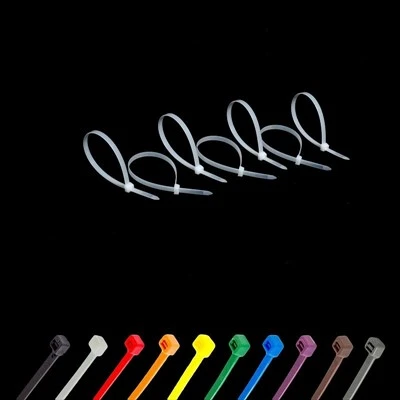
If you have questions about cleaning specific ties, or you’re interested in high-quality natural nylon cable ties for your projects, don’t hesitate to reach out. We can help you choose the right ties for your needs and share more tips for keeping them in top shape.
Square Cable Clips References:
- Polyamide 6: Structure, Properties, and Applications. Polymer Science Series B, 2018.
- Effects of Cleaning Agents on Mechanical Properties of Nylon 6. Journal of Applied Polymer Science, 2021.
- Food Safety Considerations for Polyamide 6 Used in Food Contact Applications. Food Packaging and Shelf Life, 2020.
- Cleaning Methods for Semi-Crystalline Polymers: Best Practices for Maintenance and Durability. Industrial Polymer Maintenance, 2022.
Wenzhou Xinsheng Co., Ltd.
Wenzhou Xinsheng Co., Ltd. is one of the most professional natural nylon cable tie manufacturers and suppliers in China. We have world-leading production equipment and strong manufacturing capabilities. If you’re going to wholesale bulk durable natural nylon cable tie made in China, welcome to get pricelist from our factory. For price consultation, contact us.
Address: No.419, Gongye Huanlu, Dongmeng Industrial Zone, Wuniu Street, Yongjia County, Wenzhou City, Zhejiang Province, China
E-mail: xuenda1@gmail.com
WebSite: https://www.wenzhouxinsheng.com/
