Magnetic flow meters, also known as magmeters, are widely utilized in various industries for measuring the flow rate of conductive fluids. These meters operate on the principle of electromagnetic induction, where a magnetic field is applied to the flowing fluid, and the induced voltage is measured to determine the flow velocity. As a cube magnets supplier, I often receive inquiries about the suitability of cube magnets for use in magnetic flow meters. In this blog post, I will explore this question in detail, examining the technical aspects, advantages, challenges, and potential applications of using cube magnets in magnetic flow meters. Cube Magnets

Technical Aspects of Magnetic Flow Meters
Before delving into the use of cube magnets, it is essential to understand the basic working principle of magnetic flow meters. According to Faraday’s law of electromagnetic induction, when a conductive fluid flows through a magnetic field, an electromotive force (EMF) is induced perpendicular to both the direction of the fluid flow and the magnetic field. The magnitude of this induced EMF is directly proportional to the average flow velocity of the fluid, the strength of the magnetic field, and the diameter of the pipe through which the fluid is flowing.
Magnetic flow meters typically consist of a flow tube, a pair of magnetic coils to generate the magnetic field, and electrodes to measure the induced EMF. The magnetic field must be uniform and perpendicular to the fluid flow to ensure accurate measurement. The choice of magnets plays a crucial role in determining the performance of the magnetic flow meter, as it affects the strength and distribution of the magnetic field.
Cube Magnets: Characteristics and Suitability
Cube magnets are block-shaped permanent magnets with a square cross-section. They are available in various materials, such as neodymium (NdFeB), samarium cobalt (SmCo), and ferrite (ceramic). Each material has its own unique properties, including magnetic strength, temperature stability, and corrosion resistance.
- Magnetic Strength: Neodymium cube magnets are known for their extremely high magnetic strength, making them suitable for applications where a strong magnetic field is required. Samarium cobalt magnets also offer high magnetic strength, along with better temperature stability compared to neodymium magnets. Ferrite cube magnets, on the other hand, have a relatively lower magnetic strength but are more cost-effective and corrosion-resistant.
- Field Distribution: The shape of a cube magnet allows for a more uniform magnetic field distribution compared to some other magnet shapes. This is beneficial for magnetic flow meters, as it helps to ensure that the induced EMF is proportional to the flow velocity across the entire cross-section of the pipe.
- Mounting and Integration: Cube magnets are easy to mount and integrate into the design of magnetic flow meters. Their regular shape and flat surfaces make them suitable for use in various mounting configurations, such as direct attachment to the flow tube or incorporation into a magnetic circuit.
Advantages of Using Cube Magnets in Magnetic Flow Meters
- High Precision: The strong and uniform magnetic field generated by cube magnets can improve the measurement accuracy of magnetic flow meters. This is particularly important in applications where precise flow rate measurements are required, such as in the chemical, pharmaceutical, and food and beverage industries.
- Compact Design: Cube magnets offer a high magnetic strength – to – volume ratio, allowing for the design of more compact magnetic flow meters. This can be advantageous in installations where space is limited, such as in industrial pipelines or mobile devices.
- Cost – Effectiveness: Depending on the material chosen, cube magnets can provide a cost – effective solution for magnetic flow meters. Ferrite cube magnets, in particular, are relatively inexpensive compared to rare – earth magnets, making them a suitable option for applications with budget constraints.
- Flexibility: The availability of cube magnets in various sizes and materials provides flexibility in the design of magnetic flow meters. Manufacturers can choose the appropriate cube magnets based on the specific requirements of the application, such as the pipe diameter, flow rate range, and operating temperature.
Challenges and Considerations
- Temperature Effects: The magnetic properties of cube magnets can be affected by temperature. For example, neodymium magnets have a relatively low Curie temperature, above which they lose their magnetism. In high – temperature applications, it may be necessary to use samarium cobalt or other high – temperature – resistant magnets.
- Corrosion Resistance: In some industrial environments, the magnets used in magnetic flow meters may be exposed to corrosive substances. It is important to select cube magnets with appropriate corrosion protection, such as coating or plating, to ensure long – term reliability.
- Magnetic Interference: Cube magnets can generate magnetic fields that may interfere with other sensitive electronic components in the vicinity of the magnetic flow meter. Proper shielding and magnetic circuit design are required to minimize this interference.
Potential Applications
- Industrial Process Control: Magnetic flow meters with cube magnets can be used in a wide range of industrial processes, such as chemical manufacturing, power generation, and water treatment. They can help to monitor and control the flow rate of various conductive fluids, ensuring the efficiency and quality of the production process.
- Environmental Monitoring: In environmental monitoring applications, such as wastewater treatment and pollution control, magnetic flow meters with cube magnets can be used to measure the flow rate of wastewater or other conductive liquids. This information is crucial for the effective management of environmental resources.
- Medical Applications: In the medical field, magnetic flow meters with cube magnets can be used to measure the flow rate of blood or other conductive fluids in medical devices. For example, they can be used in hemodialysis machines to monitor the flow of blood through the dialysis circuit.
Conclusion
In conclusion, cube magnets can be a viable option for use in magnetic flow meters, offering several advantages in terms of precision, compactness, cost – effectiveness, and flexibility. However, it is important to carefully consider the technical requirements of the application, such as temperature stability, corrosion resistance, and magnetic interference, when selecting cube magnets for magnetic flow meters.
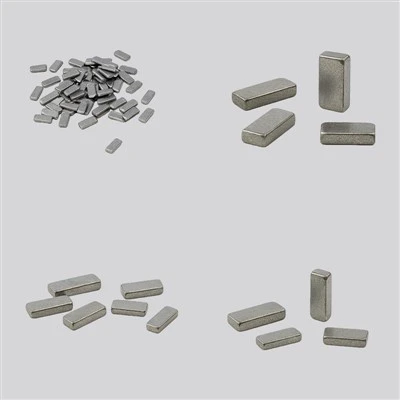
As a reliable cube magnets supplier, I am committed to providing high – quality cube magnets that meet the specific needs of magnetic flow meter manufacturers. Whether you are looking for neodymium, samarium cobalt, or ferrite cube magnets, I can offer a wide range of products with customized sizes and magnetic properties.
Tile Magnets If you are interested in using cube magnets for your magnetic flow meter applications, I encourage you to contact me to discuss your requirements. Our team of experts can provide you with detailed technical advice and help you choose the most suitable cube magnets for your project. Let’s work together to achieve accurate and reliable flow rate measurements in your applications.
References
- Brown, D. R. (2014). Magnetic flow meters: Principles, design, and applications. Butterworth – Heinemann.
- Davis, J. M. (2018). Permanent magnets and their applications. Wiley.
- Gupta, A. K. (2009). Electromagnetic flow meters: Theory, design, and operation. CRC Press.
Dongguan Jinconn New Material Holdings Co., Ltd.
We’re well-known as one of the leading cube magnets manufacturers in China, featured by quality products and low price. Please rest assured to buy bulk advanced cube magnets in stock here from our factory. We also accept customized orders.
Address: Xiaohe Industry Zone, Daojiao Town, Dongguan City,Guangdong Province,China
E-mail: lena@jinconn.com
WebSite: https://www.jinconnmagnet.com/
