Hey there! I’m a supplier of engraving machines, and I know how important it is to get top – notch engraving quality. Whether you’re using an engraving machine for personal projects or running a business, the quality of your engravings can make or break your success. So, let’s dive into some tips on how to improve the engraving quality of an engraving machine. Engraving Machine
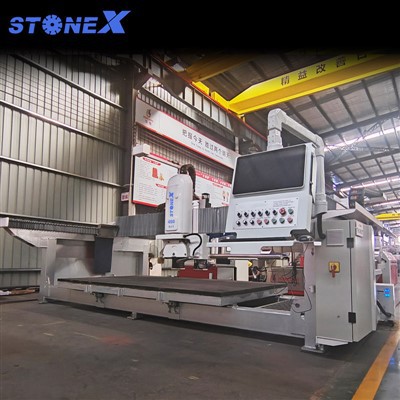
1. Choose the Right Engraving Machine
First things first, you gotta pick the right machine for your needs. There are different types of engraving machines out there, like laser engravers, rotary engravers, and CNC engravers. Each has its own strengths and weaknesses.
Laser engravers are great for precision work and can handle a wide range of materials, from wood and plastic to metal and glass. They’re super fast and can create detailed designs. Rotary engravers, on the other hand, use a rotating tool to cut into the material. They’re more suitable for deeper engravings, like on metal nameplates. CNC engravers are computer – controlled, which means you can create complex designs with high accuracy.
When you’re choosing an engraving machine, think about the materials you’ll be working with, the level of detail you need, and your budget. For example, if you’re mainly working on small – scale, detailed designs on non – metal materials, a laser engraver might be your best bet. But if you need deep engravings on metal, a rotary engraver could be more suitable.
2. Select the Appropriate Engraving Tools
Once you’ve got the right machine, you need the right tools. For laser engravers, the quality of the laser tube and the lens is crucial. A high – quality laser tube will produce a more powerful and consistent laser beam, which means cleaner and more precise engravings. The lens also affects the focus of the laser beam. Make sure to choose a lens that’s appropriate for the thickness of the material you’re engraving.
For rotary engravers, the cutting tools are key. Different materials require different types of cutting bits. For soft materials like wood or plastic, you can use a standard carbide bit. But for harder materials like metal, you’ll need a diamond – tipped or high – speed steel bit. Using the wrong bit can lead to rough edges, uneven depth, and even damage to the material.
3. Prepare the Material Properly
Proper material preparation is often overlooked but is essential for good engraving quality. First, make sure the material is clean. Any dirt, dust, or grease on the surface can affect the engraving process. You can use a clean cloth and a mild detergent to clean the material before engraving.
Second, the material should be flat and stable. If the material is warped or uneven, the engraving depth might vary across the surface. You can use clamps or a vacuum table to secure the material in place. This will ensure that the engraving machine can work evenly across the material.
Also, consider the type of material you’re using. Some materials, like acrylic, might require pre – heating to prevent cracking during engraving. Others, like wood, might need to be sanded to create a smooth surface.
4. Optimize the Engraving Settings
The settings on your engraving machine play a huge role in the quality of the engraving. The most important settings include power, speed, and frequency (for laser engravers).
For power, it needs to be set according to the material and the depth of the engraving you want. Too much power can burn the material, especially if it’s a sensitive one like paper or fabric. Too little power, and the engraving might be too faint or incomplete.
Speed is also crucial. A slower speed generally results in a deeper and more detailed engraving, but it takes longer. A faster speed can save time, but the engraving might be less detailed. You need to find the right balance between speed and quality.
Frequency is relevant for laser engravers. A higher frequency can create a smoother surface finish, but it might also reduce the engraving depth. You’ll need to experiment with different frequencies to find the best setting for your specific project.
For CNC and rotary engravers, you’ll also need to set the spindle speed and the feed rate. The spindle speed determines how fast the cutting tool rotates, and the feed rate determines how fast the tool moves across the material. Again, these settings need to be adjusted based on the material and the design.
5. Keep the Machine Well – Maintained
Regular maintenance of your engraving machine is a must if you want to keep getting high – quality engravings. For laser engravers, this includes cleaning the laser tube, the lens, and the mirrors regularly. Dust and debris can accumulate on these parts, which can affect the laser beam’s quality. You should also check the water cooling system (if your laser engraver has one) to make sure it’s working properly.
For rotary engravers, you need to lubricate the moving parts regularly to prevent wear and tear. Check the cutting tools for dullness or damage and replace them as needed. A dull tool can’t cut through the material smoothly, which will result in poor – quality engravings.
CNC engravers also require maintenance. Check the belts, screws, and motors regularly to make sure everything is tight and working correctly. Clean the linear guides to prevent any blockages that could affect the machine’s movement.
6. Use High – Quality Design Files
The design file you use for engraving can have a big impact on the final quality. Make sure your design is in a high – resolution format. Low – resolution files can result in pixelation or blurry engravings.
Use software that’s compatible with your engraving machine. Most engraving machines support common file formats like DXF, SVG, or AI. You can use design software like Adobe Illustrator or Inkscape to create or edit your designs.
Also, pay attention to the details in your design. Avoid using very thin lines or small text, especially if you’re engraving on a small surface or with a machine that has limited precision. The engraving machine might not be able to reproduce these fine details accurately.
7. Practice and Experiment
Improving engraving quality takes time and practice. Don’t be afraid to experiment with different settings, tools, and materials. Make test engravings on scraps of the same material you’ll be using for your final project. This way, you can see how different settings affect the engraving quality without wasting expensive materials.
You can also join online forums or communities for engraving enthusiasts. There, you can learn from other people’s experiences, get tips and tricks, and share your own work. You might even find some inspiration for new projects.
Conclusion
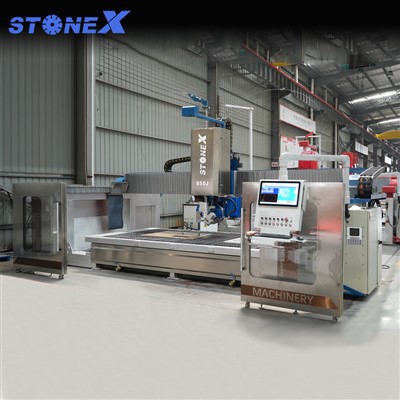
Improving the engraving quality of an engraving machine isn’t rocket science, but it does require some knowledge, attention to detail, and practice. By choosing the right machine and tools, preparing the material properly, optimizing the settings, maintaining the machine, using high – quality design files, and practicing, you can achieve amazing engraving results.
Block Cutting Machine If you’re in the market for a new engraving machine or need some advice on improving your current engraving quality, don’t hesitate to reach out. We’ve got a wide range of engraving machines to suit different needs and budgets, and our team of experts is always here to help. Let’s start a conversation and see how we can take your engraving projects to the next level!
References
- "Engraving Machine Handbook" – A comprehensive guide on the operation and maintenance of engraving machines.
- Industry blogs and forums dedicated to engraving technology and techniques.
Nantong Huayi Intelligent Equipment Co., Ltd.
Address: Dongsheng Stone Industry Park, Changjiang Town, Rugao City, Jiangsu Province, China
E-mail: claire@hualongm.com
WebSite: https://www.hystonemachinery.com/
