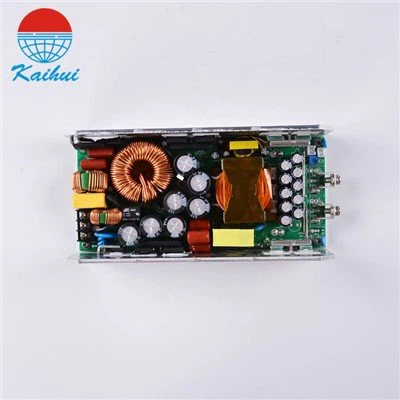
In the dynamic landscape of power supply technology, understanding the isolation voltage of a U Bracket Switching Power Supply is crucial. As a dedicated supplier of U Bracket Switching Power Supplies, I’ve witnessed firsthand how this technical specification impacts the performance, safety, and reliability of power systems. U Bracket Switching Power Supply
The Basics of Isolation Voltage
Isolation voltage refers to the maximum voltage that a power supply can withstand between its input and output circuits without causing electrical breakdown. This isolation is achieved through the use of transformers or other isolation components, which prevent direct electrical connection between the input and output sides. In a U Bracket Switching Power Supply, this isolation serves multiple important functions.
Firstly, it enhances safety. By isolating the input and output, the power supply protects users from potentially dangerous voltages on the input side. For example, in electrical equipment used in homes or offices, the input may be connected to the mains power, which typically has high – voltage levels. The isolation voltage ensures that even if there is a fault on the input side, the output voltage remains safe and does not pose a risk of electric shock to the end – users.
Secondly, isolation helps in reducing electrical noise and interference. In modern electronic systems, there is often a need for a clean and stable power supply. Electrical noise from the input power source, such as electromagnetic interference (EMI) or radio – frequency interference (RFI), can be effectively blocked by the isolation. This results in a more reliable power supply for sensitive electronic devices, such as microcontrollers, sensors, and communication equipment.
Factors Affecting the Isolation Voltage of U Bracket Switching Power Supplies
Several factors influence the isolation voltage of a U Bracket Switching Power Supply.
1. Insulation Materials
The quality and type of insulation materials used in the power supply play a significant role. High – quality insulation materials, such as certain types of plastics, ceramics, and special insulating films, can withstand higher voltages without breaking down. For instance, some power supplies use epoxy – based potting compounds to encapsulate the internal components, providing excellent electrical insulation and increasing the isolation voltage.
2. Design and Construction
The physical design of the power supply also affects its isolation voltage. The distance between the input and output circuits, as well as the layout of the printed circuit board (PCB), are important considerations. A well – designed PCB with sufficient spacing between the input and output traces can reduce the risk of arcing and electrical breakdown. Additionally, the use of isolation barriers, such as isolation transformers, is a key design element. The turns ratio, the quality of the core material, and the insulation of the windings in the isolation transformer all contribute to the overall isolation voltage.
3. Environmental Conditions
The operating environment can have a profound impact on the isolation voltage. High temperatures, humidity, and the presence of dust or corrosive substances can degrade the insulation properties of the materials used in the power supply. For example, in a high – humidity environment, moisture can penetrate the insulation, reducing its electrical resistance and lowering the effective isolation voltage. Similarly, dust particles can accumulate on the surface of the insulation, creating a conductive path and increasing the risk of electrical breakdown.
Measuring and Specifying Isolation Voltage
Measuring the isolation voltage of a U Bracket Switching Power Supply requires specialized equipment and testing procedures. A common method is to apply a high – voltage test between the input and output circuits for a specified period, typically a few seconds to a minute. During this test, the power supply is monitored for any signs of electrical breakdown, such as sparks, current leakage, or a sudden drop in isolation resistance.
Power supply manufacturers usually specify the isolation voltage in their product datasheets. It is important to note that the specified isolation voltage is a rated value, which means it represents the maximum voltage that the power supply is designed to withstand under normal operating conditions. However, in real – world applications, it is often advisable to use a power supply with an isolation voltage that is significantly higher than the expected operating voltage to provide a safety margin.
Importance of Isolation Voltage in Different Applications
1. Industrial Automation
In industrial automation systems, U Bracket Switching Power Supplies are widely used to power various control devices, sensors, and actuators. These systems often operate in harsh environments with high electrical noise and potential for electrical interference. A high isolation voltage is essential to ensure the reliable operation of these devices and to prevent malfunctions caused by electrical interference from the power source. For example, in a manufacturing plant, a power supply with a high isolation voltage can protect the control system from voltage spikes and surges on the industrial power grid, reducing the risk of production downtime.
2. Medical Equipment
Medical equipment requires a high level of safety and reliability. U Bracket Switching Power Supplies used in medical devices, such as patient monitors, infusion pumps, and diagnostic equipment, must have a high isolation voltage to protect patients and medical staff from electrical shock. The isolation also helps in maintaining the accuracy of the medical measurements by reducing electrical noise. For example, in an electrocardiogram (ECG) machine, a power supply with proper isolation can ensure that the recorded electrical signals from the patient’s heart are not corrupted by external electrical interference.
3. Telecommunications
In the telecommunications industry, U Bracket Switching Power Supplies are used to power network equipment, such as routers, switches, and base stations. These devices need a stable and clean power supply to ensure reliable communication. A high isolation voltage can prevent electrical interference from the power grid from affecting the performance of the telecommunications equipment. Additionally, in the event of a power surge or fault, the isolation can protect the sensitive electronic components in the communication devices, reducing the risk of damage and downtime.
Selecting the Right Isolation Voltage for Your Application
When choosing a U Bracket Switching Power Supply, it is important to consider the specific requirements of your application. Here are some guidelines to help you make the right decision:
1. Determine the Operating Voltage Range
Understand the voltage levels present in your application, both on the input and output sides. The isolation voltage of the power supply should be sufficient to withstand the maximum expected voltage difference between the input and output. For example, if your application has an input voltage of 110 – 220V AC and an output voltage of 12V DC, you need to choose a power supply with an isolation voltage that can handle the potential voltage difference.
2. Consider the Environmental Conditions
If your application operates in a harsh environment, such as high temperature, high humidity, or dusty conditions, you may need a power supply with a higher isolation voltage to compensate for the potential degradation of the insulation materials. Some power supplies are specifically designed for rugged environments and come with enhanced insulation and protection features.
3. Evaluate the Safety Requirements
For applications where safety is a top priority, such as medical or industrial equipment, it is crucial to choose a power supply with a high isolation voltage. Look for power supplies that meet relevant safety standards, such as UL, CE, or IEC standards. These standards ensure that the power supply has been tested and certified to provide adequate isolation and safety.

As a supplier of U Bracket Switching Power Supplies, I’m well – equipped to assist you in selecting the right power supply for your specific needs. We offer a wide range of power supplies with different isolation voltages, power ratings, and features to meet the diverse requirements of various applications. Whether you are in the industrial, medical, telecommunications, or any other sector, we can provide you with a reliable and high – quality power solution.
Open Frame Switching Power Supply If you are interested in learning more about our U Bracket Switching Power Supplies or would like to discuss your specific requirements, please feel free to reach out. Our team of experts is ready to answer your questions and help you make an informed decision. Contact us to start a procurement discussion and find the perfect power supply for your project.
References
- "Power Electronics: Converters, Applications, and Design" by Ned Mohan, Tore M. Undeland, and William P. Robbins.
- "Switch – Mode Power Supplies: SPICE Simulations and Practical Designs" by Christophe Basso.
- Industry standards documents such as UL, CE, and IEC related to power supply safety and isolation.
Guangzhou Kaihui Electronics Co., Ltd.
Guangzhou Kaihui Electronics Co., Ltd. is one of the most professional u bracket switching power supply manufacturers and suppliers in China, specialized in providing the best customized service. We warmly welcome you to buy high quality u bracket switching power supply made in China here from our factory.
Address: 2F BLDG8, Standard Ind.Park, Dongchong Town, Nansha District 511453, Guangzhou, Guangdong, China
E-mail: amy@gzkaihui.com
WebSite: https://www.kaihuipowersupply.com/
