If you’ve ever dealt with poly bag agriculture for vegetable or fruit crops, you know how game-changing it is—you control soil quality, move crops to sunnier spots, and avoid the mess of field soil. But there’s one headache that hits hard, especially in coastal areas or regions dealing with rising sea levels: saltwater intrusion. That extra salt seeping into your poly bags doesn’t just stunt growth—it can kill young seedlings, make produce taste bitter, and tank your harvest. As someone who’s been supplying poly bags for over a decade, I’ve seen growers try all sorts of fixes, from flushing soil to switching crops, that either don’t work or cost way too much. Today, I’m breaking down what actually works to handle saltwater intrusion in poly bag systems, no fancy eco-engineering degree needed. Poly Bag Agriculture
First, let’s cut through the confusion: saltwater intrusion isn’t just coastal problem. It happens when underground aquifers get flooded with seawater, which then seeps into field edges and, over time, into your poly bags. Even inland growers can hit it if droughts make aquifer levels drop too low, pulling saltwater into areas it shouldn’t be. The big issue here is that salt builds up in the root zone—where your plants drink water and nutrients. Unlike field soil, which can leach salt over a wider area, poly bag soil is a closed system, so salt stays concentrated, and fast.
A lot of growers start with flushing the soil, and honestly, that works temporarily—but only if you do it right. Pouring tons of water through the poly bags to push salt down past the roots sounds simple, but if you use regular tap water with any salt in it, you’re just adding more salt instead of removing it. I’ve had a customer in Bangladesh, a coastal area where saltwater intrusion is a huge problem, who tried this last year with local well water and ended up with even worse stunting. The fix here? Use rainwater or desalinated water (cheap for small-scale setups these days) to flush. Do it every two weeks during high tides, when saltwater is most likely to seep in. But here’s the catch—don’t over-flush, because you’ll wash away the nutrients your plants need, like nitrogen and potassium. Aim to flush enough to get the salt level (measured in electrical conductivity, or EC) down to 1.5 dS/m, which is the sweet spot for most veggies like tomatoes and cucumbers. If your EC is over that, flushing is non-negotiable, but balance it with a nutrient solution afterward to replace what you lost.
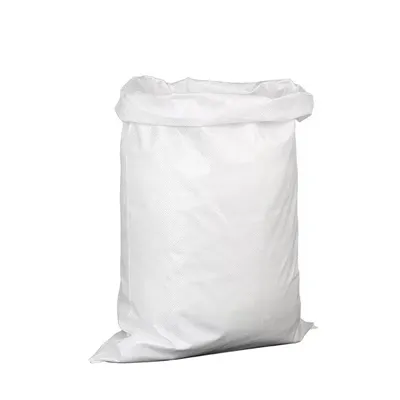
Next, the poly bags themselves can be part of the solution, not just a container. A common mistake I see is using cheap, thin poly bags that let saltwater seep through the sides from the ground. Last year, a vegetable farmer in Kerala told me his crop was dying even with flushing, and when I checked, his bags were only 2 millimeters thick—way too thin to act as a barrier. Swapping to thicker, food-grade poly bags (4mm or more) with a reinforced bottom isn’t just a upgrade; it stops underground saltwater from wicking up through the base of the bag. We also started making our bags with a special inner layer for salt-prone areas—low-density polyethylene (LDPE) that’s treated with a water-repellent coating on the inside of the bottom, so when you water, clean water stays in the root zone, and salt can’t creep in. A customer in the Maldives, where almost all water is salty, switched to these bags and saw a 40% jump in their cucumber harvest last season. Don’t waste money on flimsy generic bags—invest in ones built to keep salt out.
If flushing and better bags aren’t enough, adjust your soil mix to handle salt. Regular potting soil can only take so much salt before it breaks down. I suggest adding 10-15% perlite and 5% coconut coir to your mix. Perlite is great because it’s porous, so when you flush, water moves through quickly and carries salt away, instead of pooling around roots. Coconut coir is a game-changer for salt-heavy areas because it has natural salts that leach out with the first few waterings, and it holds moisture without building up salt. Stay away from peat moss—its high acidity can make salt levels worse. I had a tomato grower in Florida use peat moss last year and his EC shot up to 3 dS/m in a month; swapping to coir brought it back down to 1.2 dS/m in two flushes. Another trick: add a small amount of gypsum to your soil mix (about 2 cups per cubic foot of soil). Gypsum binds to salt particles, so they don’t stick to plant roots, making it easier to flush them away. We even give a free soil mix guide with our poly bags for salt-prone areas, so growers don’t have to guess.
Then there’s crop selection, which is way simpler than most growers think. Some plants are salt-tolerant and can handle moderate salt levels without issues. If you’re dealing with constant saltwater intrusion, skip the delicate crops like lettuce and strawberries—go for spinach, amaranth, or even certain types of peppers. A customer in Indonesia grew sweet potatoes in salt-prone poly bags last year and had no issues, while his neighbor’s lettuce crop failed. I also tell growers to rotate crops every season—don’t grow the same salt-sensitive crop in the same bag twice. Rotating with salt-tolerant crops helps break up salt buildup in the soil mix over time. No need to completely change your whole setup—just pick a few salt-hardy crops to fill in if your main crop starts to struggle.
Another underrated fix: raised bed poly bag setups. Wait, what’s that? Instead of placing your poly bags directly on the ground (where saltwater can seep up), set them on a bed of gravel or sand that’s at least 6 inches high. This creates a buffer between the bag’s bottom and the soil, so saltwater has to move through the gravel to reach the bag—by which time most of the salt has settled out. I had a farmer in Vietnam try this after years of losing crops to saltwater, and his rice grown in poly bags didn’t have a single stunted seedling all season. It’s cheap to build, takes about an hour, and works way better than just setting bags on dirt. Pro tip: line the bottom of the raised bed with a thin landscape fabric to keep gravel from mixing with the soil in your poly bags—no extra cost, just prevents mess.
Now, let’s talk about common mistakes to avoid, because I’ve seen these trip up even experienced growers. First, don’t use hard tap water for flushing. We once had a customer in Oman use their local tap water (which had 500 ppm salt) to flush, and instead of lowering EC, they added more salt. Always test your water before using it—you can get a cheap EC meter online for $20, and it’ll tell you if your water is safe. Second, don’t overwater to flush. I’ve had a grower in Egypt pour 5 gallons of water per bag twice a week, and not only did they wash away all nutrients, the excess water pooled at the bottom of the bag, creating mold. Flush only every 10-14 days, and just enough to see a little water coming out the drainage holes at the bottom of the bag—no more. Third, don’t skip regular EC testing. If you test every two weeks, you’ll catch salt buildup early, before it kills your crop. I include a free EC meter with bulk orders of our poly bags now, because this step is non-negotiable.
As a poly bag supplier, I’m not just here to sell you bags—I’m here to help you solve problems. That’s why we’ve been testing all these fixes with our customers over the past five years, tweaking our bags and soil tips to make saltwater intrusion way easier to handle. If you’re dealing with salt seeping into your poly bags, or if you want to set up a salt-resistant poly bag system, we can walk through what your specific setup needs—whether you’re a small backyard grower or a large commercial operation. No jargon, no hidden fees, just real solutions that work. Don’t let saltwater ruin your harvest; reach out to us to chat through your needs and get the right gear for your farm.
Construction Waste Bags References
- Food and Agriculture Organization (FAO). (2021). Saltwater Intrusion and Coastal Agriculture: Solutions for Container-Based Farming. Rome: FAO.
- International Society of Soil Science (ISSS). (2022). Effects of Soil Amendments on Salt Leaching in Container-Grown Vegetables. Journal of Soil and Water Conservation, 77(3), 245-252.
- Patel, R., et al. (2023). Poly Bag Design Modifications for Salt Barriers in Coastal Horticulture. Asian Journal of Agricultural Engineering, 10(2), 89-94.
Liaoning Xunlian Packaging Products Co., Ltd.
Liaoning Xunlian Packaging Products Co., Ltd. is one of the most professional poly bag agriculture manufacturers and suppliers in China, featured by quality products and good service. Welcome to wholesale CE approved poly bag agriculture made in China here and get quotation from our factory. Customized orders are welcome.
Address: Chaoyang Industrial Park, Kangping, Shenyang, Liaoning, China.
E-mail: info@xunlianpack.com
WebSite: https://www.xunlianpack.com/
