Hey there! As a supplier of electric forklifts, I know firsthand how crucial it is to ensure the safety of operators when using these machines. Electric forklifts are powerful tools that can significantly boost efficiency in warehouses, factories, and other industrial settings. But with great power comes great responsibility, and safety should always be our top priority. In this blog, I’ll share some practical tips on how to keep operators safe when using an electric forklift. Electric Forklift

Pre – operation Checks
Before an operator even starts up the electric forklift, a thorough pre – operation check is a must. First off, take a look at the forklift’s tires. Check for any signs of wear, cuts, or bulges. Worn – out tires can lead to poor traction, which is a major safety hazard, especially on slippery surfaces.
Next, examine the forks. Make sure they’re straight and free from any cracks or bends. Bent forks can cause the load to shift unexpectedly, increasing the risk of accidents. Also, check the mast. The mast is the part that raises and lowers the forks. Ensure that it moves smoothly and that the chains and cables are in good condition.
Don’t forget about the brakes. Test the brakes to make sure they’re working properly. A faulty brake can be extremely dangerous, as it can prevent the forklift from stopping in time. And while you’re at it, check the steering. The steering should be responsive and easy to control.
Operator Training
Proper training is the cornerstone of forklift safety. All operators should receive comprehensive training before they’re allowed to operate an electric forklift. The training should cover everything from the basic controls of the forklift to advanced safety procedures.
The training should include both classroom instruction and hands – on practice. In the classroom, operators learn about the forklift’s features, safety regulations, and potential hazards. During the hands – on practice, they get to operate the forklift under the supervision of a qualified instructor.
It’s also important to provide ongoing training for operators. As new safety technologies and best practices emerge, operators need to stay up – to – date. Regular refresher courses can help reinforce safe operating habits and keep operators informed about the latest safety guidelines.
Load Handling
One of the most important aspects of using an electric forklift safely is proper load handling. First, make sure the load is properly balanced. An unbalanced load can cause the forklift to tip over, especially when turning or traveling on an incline.
When picking up a load, center it on the forks and make sure it’s stable. Avoid overloading the forklift. Each forklift has a maximum load capacity, and exceeding this capacity can put a strain on the forklift’s components and increase the risk of accidents.
Also, be careful when stacking loads. Make sure the loads are stacked evenly and securely. Tall stacks can be unstable, so it’s important to stack them in a way that minimizes the risk of them toppling over.
Workplace Safety
The workplace environment also plays a big role in forklift safety. The area where the forklift is operating should be well – lit and free from obstacles. Make sure there are clear pathways for the forklift to move through, and mark any potential hazards, such as low – hanging pipes or sharp corners.
Install mirrors at intersections and blind spots to help operators see around corners. And make sure there are clear signs indicating speed limits, no – entry zones, and other safety information.
It’s also a good idea to separate pedestrians from forklift traffic. Use barriers or designated walkways to keep pedestrians safe. Pedestrians should be trained to stay clear of forklifts and to follow safety rules when in the workplace.
Maintenance and Inspections
Regular maintenance and inspections are essential for keeping electric forklifts in good working condition. Set up a maintenance schedule and stick to it. This should include daily, weekly, and monthly inspections.
During the daily inspections, operators should check for any obvious signs of damage or wear. Weekly inspections can be more in – depth, including checks of the battery, hydraulic system, and electrical components. Monthly inspections should cover a comprehensive review of the forklift’s entire system.
If any issues are found during the inspections, they should be addressed immediately. Don’t let small problems turn into big ones. A well – maintained forklift is a safer forklift.
Personal Protective Equipment (PPE)
Operators should always wear the appropriate personal protective equipment (PPE) when using an electric forklift. This includes a hard hat to protect against falling objects, safety shoes to protect their feet from heavy loads and sharp objects, and safety glasses to protect their eyes from dust and debris.
Some operators may also need to wear high – visibility vests, especially in areas where there is a lot of traffic. These vests make the operators more visible to other workers and help prevent accidents.
Emergency Preparedness
Even with all the safety measures in place, accidents can still happen. That’s why it’s important to have an emergency plan in place. The emergency plan should include procedures for dealing with accidents, such as how to evacuate the area, how to provide first aid, and how to report the accident.
All operators should be trained on the emergency plan and know what to do in case of an emergency. Regular emergency drills can help ensure that everyone is prepared and knows their roles.
Communication
Good communication is key to forklift safety. Operators should communicate with each other and with other workers in the workplace. Use hand signals or radios to communicate when necessary. For example, if an operator is backing up, they should use a hand signal to let other workers know.
Managers should also communicate safety information to all workers. This can include regular safety meetings, safety bulletins, and training sessions. By keeping everyone informed, we can create a safer working environment.
Conclusion
Ensuring the safety of operators when using an electric forklift is a multi – faceted task. It requires proper pre – operation checks, comprehensive operator training, safe load handling, a safe workplace environment, regular maintenance and inspections, the use of personal protective equipment, emergency preparedness, and good communication.
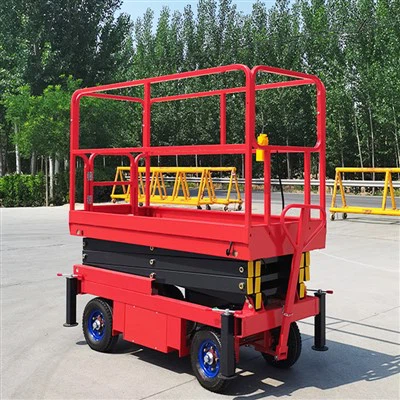
Scissor Lift As an electric forklift supplier, I’m committed to providing high – quality forklifts and promoting safety in the workplace. If you’re in the market for an electric forklift or have any questions about forklift safety, I’d love to talk to you. Reach out to us, and let’s start a conversation about how we can meet your needs and keep your operators safe.
References
- Occupational Safety and Health Administration (OSHA) – Forklift Safety Standards
- National Institute for Occupational Safety and Health (NIOSH) – Forklift Safety Research
Shandong Zhongke Huali Machinery Co., Ltd.
As one of the most professional electric forklift manufacturers and suppliers in China, we also support customized service. We warmly welcome you to wholesale discount electric forklift in stock here from our factory. For price consultation, contact us.
Address: No. 2 Qubai Road, Qudi Street, Jiyang District, Jinan City, Shandong Province
E-mail: hlizhonggong@163.com
WebSite: https://www.hualiheavy.com/
