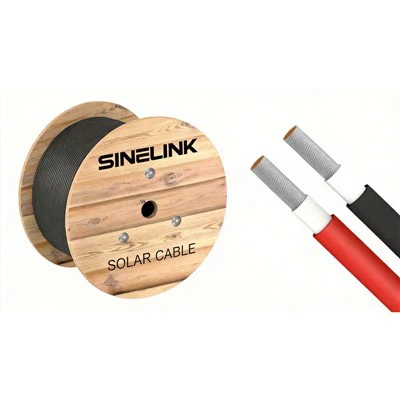
In the vast expanse of the solar energy industry, solar farms stand as beacons of sustainable power generation. At the heart of these solar farms lies a crucial component: the solar DC cable. As a supplier of solar DC cables, I’ve witnessed firsthand the unique demands and special requirements that these cables must meet to ensure the efficient and reliable operation of solar farms. Solar DC Cable
Electrical Performance
One of the primary requirements for a solar DC cable is its electrical performance. Solar farms generate direct current (DC) electricity, and the cables must be capable of safely and efficiently transmitting this power from the solar panels to the inverters and other components. The cable’s conductor material and size play a critical role in determining its electrical conductivity. Copper is a popular choice for solar DC cables due to its high conductivity and relatively low cost. However, aluminum is also used in some applications, especially for larger cables, as it is lighter and more cost-effective.
The cable’s insulation material is equally important. It must provide excellent electrical insulation to prevent short circuits and ensure the safety of the system. Common insulation materials for solar DC cables include cross-linked polyethylene (XLPE) and ethylene propylene rubber (EPR). These materials offer high dielectric strength, good resistance to heat and environmental factors, and long-term durability.
Environmental Resistance
Solar farms are often located in harsh environments, exposed to extreme temperatures, sunlight, moisture, and other environmental factors. Therefore, solar DC cables must be able to withstand these conditions without degradation. UV resistance is a crucial requirement, as prolonged exposure to sunlight can cause the cable’s insulation to deteriorate, leading to reduced performance and potential safety hazards. Cables with UV-resistant jackets are designed to protect the insulation from the harmful effects of sunlight, ensuring long-term reliability.
In addition to UV resistance, solar DC cables must also be resistant to moisture and water. Moisture can penetrate the cable’s insulation, causing corrosion and short circuits. Cables with water-blocking features, such as water-blocking tapes or gels, are used to prevent moisture from entering the cable and protect the conductor.
Mechanical Strength
Solar DC cables are subjected to various mechanical stresses during installation and operation. They must be able to withstand pulling, bending, and twisting without damage. The cable’s outer jacket provides mechanical protection and helps to prevent abrasion and damage from external factors. Jackets made of materials such as polyvinyl chloride (PVC) or thermoplastic elastomer (TPE) offer good mechanical strength and flexibility.
In addition to the outer jacket, the cable’s construction also plays a role in its mechanical strength. Cables with multiple layers of insulation and reinforcement are more resistant to mechanical stress and are less likely to be damaged during installation and operation.
Fire Resistance
Fire safety is a critical concern in solar farms. Solar DC cables must be designed to meet strict fire safety standards to prevent the spread of fire in the event of a fault. Cables with fire-resistant insulation materials, such as halogen-free materials, are used to reduce the risk of fire and minimize the release of toxic gases in case of a fire.
Compatibility and Standardization
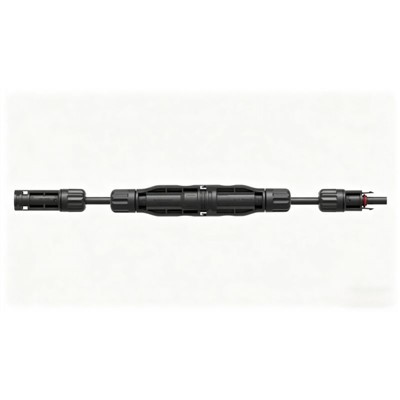
Solar DC cables must be compatible with other components in the solar farm, such as solar panels, inverters, and charge controllers. They must meet the electrical and mechanical requirements of these components to ensure proper operation. Standardization is also important to ensure the interchangeability and compatibility of cables from different manufacturers. International standards, such as IEC 62930, provide guidelines for the design, testing, and performance of solar DC cables.
Cost-Effectiveness
While meeting the special requirements of solar farms, cost-effectiveness is also an important consideration. Solar DC cables must be priced competitively to make solar energy more accessible and affordable. As a supplier, we strive to offer high-quality cables at a reasonable price, without compromising on performance and reliability.
Conclusion
As a supplier of solar DC cables, I understand the importance of meeting the special requirements of solar farms. Our cables are designed and manufactured to provide excellent electrical performance, environmental resistance, mechanical strength, fire resistance, and compatibility. We work closely with our customers to understand their specific needs and provide customized solutions that meet their requirements.
TUV Solar Cable If you are looking for high-quality solar DC cables for your solar farm, I encourage you to contact us. Our team of experts is ready to assist you in selecting the right cables for your project and providing you with the support and guidance you need. Let’s work together to build a sustainable future powered by solar energy.
References
- IEC 62930: Photovoltaic systems – DC cables
- National Electrical Code (NEC)
- UL 4703: Standard for Photovoltaic Cables
Tianjin Xilingke New Energy Technology Co., Ltd.
As one of the most professional solar dc cable manufacturers and suppliers in China, we’re featured by quality products and low price. Please rest assured to wholesale durable solar dc cable made in China here from our factory. For quotation, contact us now.
Address: Suite 2601, Tower B, Wanghai International, Haihe East Road, Hebei District, Tianjin, China.
E-mail: robin@sinelinkev.com
WebSite: https://www.sinelinkenergy.com/
