Hey there! I’m a supplier of plastic feeding equipment, and I’ve been in this game for quite a while. One of the most common questions I get from customers is, "How do I select the appropriate plastic feeding equipment according to my production requirements?" Well, that’s what I’m gonna talk about in this blog post. Plastic Feeding Equipment
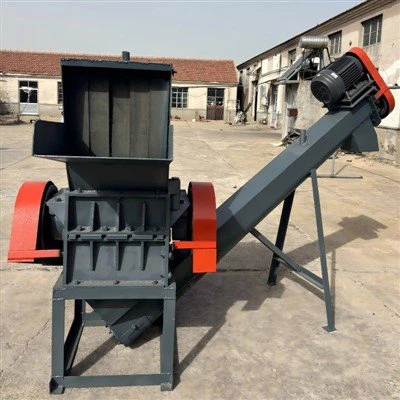
First off, let’s talk about production volume. This is a huge factor when it comes to picking the right plastic feeding equipment. If you’ve got a high – volume production line, you’re gonna need something that can keep up. For example, if you’re churning out thousands of plastic parts a day, a volumetric feeder might not cut it. Volumetric feeders are great for smaller – scale operations where you don’t need super – precise measurements all the time. They work by measuring the volume of the plastic material being fed. But in high – volume scenarios, a loss – in – weight feeder is often a better choice.
Loss – in – weight feeders are more accurate. They measure the weight of the material being fed, and they can adjust the feeding rate in real – time. This means they can maintain a consistent flow of plastic material, even when there are changes in the density of the plastic or other factors. So, if your production volume is high and you need to ensure a steady and accurate supply of plastic, a loss – in – weight feeder should be on your radar.
On the other hand, if you’re running a small – scale production, like a startup making custom – made plastic items, a volumetric feeder could be perfect. They’re generally cheaper, easier to install, and require less maintenance. You don’t need the super – high precision of a loss – in – weight feeder when you’re not making a huge quantity of products.
Another important thing to consider is the type of plastic you’re using. Different plastics have different properties, and these can affect the kind of feeding equipment you need. For instance, some plastics are very sticky. When you’re dealing with sticky plastics, you need a feeder that can handle them without getting clogged. You might want a feeder with a special anti – sticking coating or a design that allows for easy cleaning.
Some plastics are also very abrasive. If you’re working with abrasive plastics, the feeder components need to be made of materials that can withstand the wear and tear. Stainless steel is a popular choice for the parts of the feeder that come into contact with abrasive plastics because it’s durable and resistant to corrosion.
Recycled plastics are another story. They can have a lot of impurities and inconsistent particle sizes. For recycled plastics, you might need a feeder with a screening mechanism. This will help to remove any large chunks or foreign objects from the plastic before it gets fed into the production line.
The production process itself is also a key consideration. Are you doing injection molding, extrusion, or something else? Injection molding requires a precise and controlled supply of plastic material. You need a feeder that can deliver the right amount of plastic at the right time. A feeder with a quick – response control system is great for injection molding. It can adjust the feeding rate rapidly to match the changing needs of the injection molding machine.
Extrusion, on the other hand, often requires a continuous and uniform flow of plastic. A feeder with a large hopper capacity can be beneficial here because it can keep the plastic flowing steadily without the need for frequent refilling. Also, for extrusion, a feeder that can handle different types of additives is important. Many extrusion processes use additives like colorants or stabilizers, and the feeder should be able to mix these additives evenly with the plastic.
The level of automation in your production line also plays a role. If you’ve got a highly automated production line, you’ll want a feeding equipment that can integrate smoothly with your existing systems. It should be able to communicate with your other machines and be controlled remotely. For example, you might want a feeder that can be connected to your computer network so you can monitor and adjust the feeding parameters from your office.
If your production line is less automated, you might opt for a more basic feeder that’s easy to operate manually. These feeders are often simpler in design and don’t require a lot of technical knowledge to use. They can be a great option for small factories or workshops where the budget for automation is limited.
Cost is always a factor, too. Let’s face it, no one wants to overspend on equipment. When comparing different plastic feeding equipment, consider not just the upfront cost but also the long – term costs. A cheaper feeder might save you money initially, but if it breaks down frequently and requires expensive repairs, it’s not really a good deal in the long run.
Look at the energy consumption of the feeder as well. Some models are more energy – efficient than others. Over time, the energy savings can add up, especially if you’re running your production line for long hours every day.
Don’t forget about the maintenance requirements. A feeder that’s difficult to clean and maintain can lead to production delays and increased costs. Look for feeders that have easy – access parts and clear instructions for maintenance. Some manufacturers even offer training on how to maintain their equipment, which can be a big plus.
To sum it up, choosing the right plastic feeding equipment according to production requirements involves looking at several factors. You need to think about your production volume, the type of plastic you’re using, the production process, the level of automation in your line, cost, and maintenance. By carefully considering all these aspects, you can make an informed decision that will help your production run smoothly and efficiently.
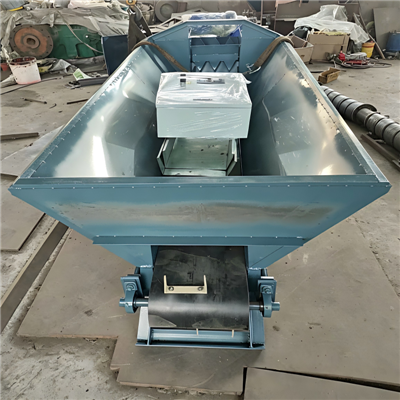
If you’re still not sure which plastic feeding equipment is right for you, don’t worry. I’m here to help. I’ve got a wide range of plastic feeding equipment options, and I can work with you to find the perfect fit for your production needs. Whether you’re a small startup or a large – scale manufacturer, I’ve got solutions that can meet your requirements. So, if you’re interested in learning more or want to start a conversation about purchasing the right plastic feeding equipment, just reach out. I’m always happy to chat and help you make the best choice for your business.
Plastic Drying Equipment References:
- Industry knowledge and experience in plastic feeding equipment supply
- Technical manuals of various plastic feeding equipment models
Laizhou Yuening Machinery Co., Ltd.
As one of the most reliable plastic feeding equipment manufacturers in China, we warmly welcome you to buy cheap plastic feeding equipment made in China here from our factory. All customized machines are with high quality and low price. For pricelist, contact us now.
Address: Yuanjia Village, Luwang, Shahe Town, Laizhou City, Yantai City, Shandong Province
E-mail: yueningjixie@163.com
WebSite: https://www.ynplasticmachinery.com/
