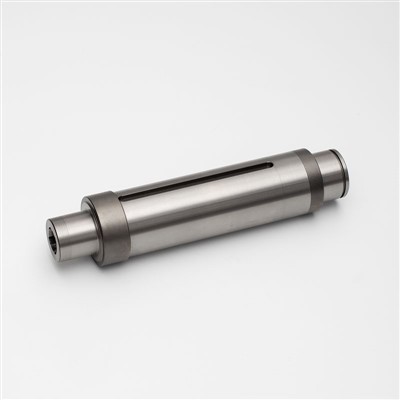
Hey there! I’m a supplier in the precision disc parts machining business. Over the years, I’ve seen firsthand how the costs can vary widely when it comes to machining these parts. So, I thought I’d share some insights on the cost factors in precision disc parts machining. Precision Disc Parts Machining
Material Costs
Let’s start with the most obvious one – materials. The type of material you choose for your precision disc parts has a huge impact on the cost. For instance, if you’re going with common metals like aluminum, it’s generally more affordable. Aluminum is lightweight, easy to machine, and widely available. You can get a good – quality aluminum disc for a relatively low price.
On the other hand, if you need high – performance materials such as titanium or some special alloys, you’re looking at a significant cost increase. Titanium is strong, corrosion – resistant, and has a high strength – to – weight ratio, but it’s also much more expensive to source and process. Special alloys are often developed to meet very specific requirements, like high – temperature resistance or extreme hardness. These materials usually come with a hefty price tag because of their unique properties and the complex manufacturing processes involved in producing them.
Another thing to consider is the material’s quality. Higher – quality materials often have better consistency in terms of their chemical composition and physical properties. This means fewer defects during machining, which can save time and money in the long run. But of course, better quality usually means a higher upfront cost.
Machining Complexity
The complexity of the machining process is a major cost driver. Simple discs with just a few holes or a basic shape are relatively easy to machine. You can use standard machining techniques and tools, which don’t require a lot of setup time or specialized equipment. For example, a plain aluminum disc with a couple of through – holes can be produced quickly on a basic CNC milling machine.
However, if your disc has a complex design, like intricate patterns, deep grooves, or non – standard shapes, the machining process becomes much more difficult. You might need to use advanced machining techniques such as electrical discharge machining (EDM) or 5 – axis machining. These processes are more time – consuming and require more skilled operators. The setup time for these machines can also be quite long, as the operator has to carefully program the machine to achieve the desired shape and dimensions.
Surface finish is another aspect of machining complexity. If you need a very smooth and precise surface finish on your disc parts, additional machining operations like grinding or polishing will be required. These operations add to the overall machining time and cost, as they require specialized tools and expertise.
Quantity of Production
The quantity of precision disc parts you need to produce also affects the cost. When you’re producing a small batch of parts, the setup costs have a big impact on the per – part price. Setting up a machining operation, including programming the CNC machine, installing the necessary tools, and performing test runs, takes time and resources. For a small batch, these setup costs are spread over a relatively small number of parts, making each part more expensive.
For example, if you only need 10 discs, the setup cost might be $500. That means each part has an additional $50 in setup cost on top of the material and machining costs. But if you increase the production quantity to 100 discs, the setup cost per part drops to $5.
In contrast, mass – producing parts can take advantage of economies of scale. The longer the production run, the more efficient the manufacturing process becomes. You can optimize the machining parameters, reduce the setup time between batches, and even negotiate better prices with your material suppliers. However, keep in mind that mass production also requires a larger upfront investment in terms of tooling and equipment.
Tolerances and Quality Control
Tolerances are the allowable variations in the dimensions of your precision disc parts. Tighter tolerances mean higher precision and usually come with a higher cost. Achieving very tight tolerances requires more precise machining equipment, skilled operators, and more frequent quality checks.
For example, if you need a disc with a diameter tolerance of ±0.001 inches, the machining process has to be extremely accurate. The machine has to maintain a high level of precision throughout the entire operation, and any small deviation can result in a rejected part. This requires more advanced machining techniques and better – calibrated equipment.
Quality control is also an important cost factor. To ensure that your parts meet the required specifications, you need to perform various quality checks during and after the machining process. This can include dimensional inspections using measuring tools like calipers, micrometers, and coordinate measuring machines (CMMs). Non – destructive testing methods, such as ultrasonic testing or X – ray inspection, might also be required for parts with specific quality requirements. All these quality control activities add to the overall cost of production.
Labor Costs
Labor costs play a significant role in precision disc parts machining. Skilled machinists are in high demand, and their expertise doesn’t come cheap. A good machinist needs to have a deep understanding of machining processes, programming skills for CNC machines, and the ability to troubleshoot any issues that arise during production.
The level of labor required also depends on the complexity of the machining operation. Simple parts might require less operator intervention, while complex parts might need a machinist to closely monitor the process at all times. Additionally, the training and experience of the machinist can affect the cost. More experienced machinists usually command higher wages but can also produce higher – quality parts more efficiently.
Equipment and Tooling Costs
The equipment and tooling used in precision disc parts machining are a major investment. CNC machines, which are commonly used in this industry, can cost anywhere from tens of thousands to hundreds of thousands of dollars. The more advanced the machine, with features like multi – axis capabilities or high – speed machining, the higher the cost.
Tooling also adds to the overall expense. Different machining operations require different types of tools, such as drills, end mills, and inserts. High – quality tools are essential for producing precision parts, but they can be quite expensive, especially if you need specialized or custom – made tools. Tool wear is another factor to consider. As tools are used in the machining process, they gradually wear out and need to be replaced. This ongoing cost of tool replacement can add up over time.
Energy and Overhead Costs
Energy costs are often overlooked but can have a significant impact on the overall cost of precision disc parts machining. Machining equipment consumes a lot of energy, especially high – power CNC machines. The cost of electricity can vary depending on your location and the time of day you’re running the machines.
Overhead costs, such as rent for the manufacturing facility, insurance, and maintenance of the equipment, also need to be factored in. These costs are spread across all the parts produced, so they contribute to the per – part cost. For example, if your monthly rent for the factory is $10,000 and you produce 1000 parts in that month, each part has an additional $10 in overhead cost.
Conclusion
As you can see, there are many cost factors in precision disc parts machining. From the type of material and the complexity of the machining process to the quantity of production and the level of quality control, each aspect plays a role in determining the final cost.
If you’re in the market for precision disc parts, it’s important to understand these cost factors so you can make informed decisions. You might be able to find ways to optimize your design, adjust the tolerances, or choose a different material to reduce costs without sacrificing quality.
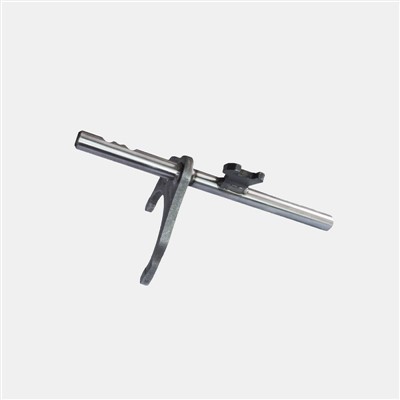
Forklift Parts If you’re interested in purchasing precision disc parts or want to discuss your specific requirements, feel free to reach out. I’d be more than happy to talk with you about how we can meet your needs and provide you with a competitive quote.
References
- "Manufacturing Engineering & Technology" by Serope Kalpakjian and Steven Schmid
- "Precision Machining Handbook" by ASME International
- Industry reports and whitepapers on precision machining and manufacturing costs
Taizhou Liuhuan Machinery Co., Ltd.
As one of the most professional precision disc parts machining manufacturers and suppliers in China, we’re featured by quality products and good service. Please rest assured to buy customized precision disc parts machining made in China here from our factory. For quotation, contact us now.
Address: Xinyuan Industrial Zone, Damaiyu Street, Yuhuan City, Zhejiang Province,China
E-mail: tzlhmachining@gmail.com
WebSite: https://www.tzlhmachining.com/
