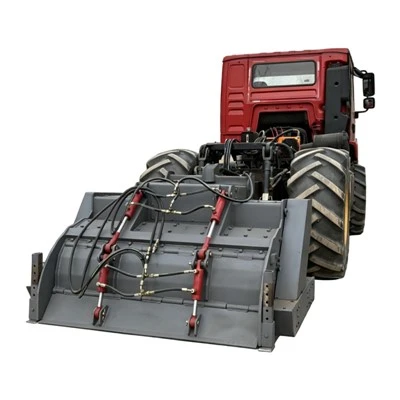
As a supplier of Crawler Rotary Tillers, I’ve witnessed firsthand the transformative power these machines have on soil cultivation. The Crawler Rotary Tiller is a remarkable piece of equipment that combines the mobility of a crawler system with the tilling efficiency of a rotary mechanism. In this blog, I’ll delve into the impact of Crawler Rotary Tillers on soil structure, exploring both the benefits and potential drawbacks, and how these insights can inform better agricultural and landscaping practices. Crawler Rotary Tiller
Positive Impacts on Soil Structure
Aeration and Oxygenation
One of the most significant benefits of using a Crawler Rotary Tiller is its ability to improve soil aeration. The rotating tines break up compacted soil, creating small channels and pores. This allows air to penetrate deeper into the soil profile. Adequate soil aeration is crucial for root respiration. Plant roots need oxygen to carry out metabolic processes, and a well – aerated soil provides a favorable environment for root growth and development. For example, in heavy clay soils that are prone to compaction, a Crawler Rotary Tiller can turn the dense, air – starved soil into a more porous medium, enabling roots to access the oxygen they need.
Water Infiltration and Drainage
Crawler Rotary Tillers also enhance water infiltration and drainage. When the soil is tilled, the loosened structure allows water to percolate more easily through the soil layers. In poorly drained soils, this can prevent waterlogging, which is harmful to most plants as it can lead to root rot and reduced nutrient uptake. By improving water movement in the soil, the tiller helps maintain an optimal soil moisture level. In agricultural fields, this means that crops can better withstand both drought and heavy rainfall events. During drought, the well – drained soil can hold a sufficient amount of water for the plants, while during heavy rains, excess water can quickly drain away.
Mixing of Organic Matter
The tilling action of a Crawler Rotary Tiller is highly effective at incorporating organic matter into the soil. Organic matter, such as compost, manure, or crop residues, is a valuable source of nutrients for plants. When the tiller mixes this organic material into the soil, it enriches the soil’s fertility. Organic matter also improves the soil’s structure by binding soil particles together, creating aggregates. These aggregates improve soil porosity, water – holding capacity, and nutrient retention. For instance, in a garden setting, adding compost and then tilling it in with a Crawler Rotary Tiller can transform the soil from a nutrient – poor medium to a rich, fertile one that supports healthy plant growth.
Weed Control and Seedbed Preparation
From a soil structure perspective, the Crawler Rotary Tiller can play a role in weed control. By tilling the soil, it uproots young weeds and buries weed seeds deep enough to prevent them from germinating. At the same time, it prepares an ideal seedbed. A well – tilled seedbed has a fine, crumbly texture that provides good contact between the seeds and the soil, facilitating better germination. The loosened soil also allows the emerging roots to penetrate easily, giving plants a strong start. In a large – scale agricultural operation, a uniform and well – prepared seedbed created by a Crawler Rotary Tiller can significantly increase crop yields.
Potential Negative Impacts on Soil Structure
Soil Erosion Risk
While the Crawler Rotary Tiller offers many benefits, it also poses certain risks to soil structure. One of the main concerns is the increased risk of soil erosion. Tilling exposes the soil surface, making it more vulnerable to the forces of wind and water. The loose soil particles are easily carried away by heavy rains or strong winds. In sloping fields, the risk of erosion is even greater. If the tilling is not done in a proper way, such as following the contour lines of the slope, large amounts of topsoil can be lost. Topsoil is the most fertile layer of the soil, rich in organic matter and nutrients, and its loss can have long – term negative impacts on soil productivity.
Destruction of Soil Aggregates
Excessive tilling with a Crawler Rotary Tiller can break down soil aggregates. Soil aggregates are groups of soil particles that are bound together. They are essential for maintaining soil structure as they provide porosity, water – holding capacity, and root penetration pathways. When the tiller tines repeatedly break up the soil, these aggregates can be destroyed. In addition, over – tilling can lead to the loss of soil organic matter, as the exposed organic matter is more susceptible to decomposition by microorganisms. This can result in a decline in soil fertility and a deterioration of soil structure over time.
Compaction in Some Situations
Ironically, although the Crawler Rotary Tiller is designed to loosen soil, in certain situations, it can contribute to soil compaction. For example, if the tiller is operated on wet soil, the weight of the machine can press the soil particles together, reducing soil porosity. Additionally, the repeated passage of the crawlers can create compacted zones, especially if the same tracks are used multiple times. Compacted soil can impede root growth, water infiltration, and air movement, negating some of the positive effects of tilling.
Mitigating the Negative Impacts
To harness the benefits of the Crawler Rotary Tiller while minimizing the negative impacts, certain management practices can be adopted. First, proper timing of tilling is crucial. Tilling should be avoided when the soil is too wet to prevent compaction. It’s best to wait until the soil reaches a suitable moisture level, which can usually be determined by the "ball test." If the soil can be formed into a ball that crumbles easily when squeezed, it is at the right moisture content for tilling.
Second, conservation tillage techniques can be employed. These techniques reduce the amount of tillage and leave more crop residues on the soil surface. This helps to protect the soil from erosion, maintain soil aggregates, and conserve soil moisture. For example, strip – tilling involves tilling only narrow strips where the seeds will be planted, leaving the rest of the soil undisturbed.
Third, regular soil testing can provide valuable information about the soil structure and fertility. Based on the test results, appropriate amendments can be added to the soil to improve its quality. For instance, if the soil is low in organic matter, more compost or manure can be incorporated.
Conclusion

The Crawler Rotary Tiller has a profound impact on soil structure, with both positive and negative aspects. On the positive side, it improves soil aeration, water infiltration, and nutrient availability, and helps in weed control and seedbed preparation. However, it also poses risks such as soil erosion, destruction of soil aggregates, and compaction in certain conditions. By understanding these impacts and implementing appropriate management practices, farmers, gardeners, and landscapers can make the most of this powerful piece of equipment.
Lime Soil Road Mixer If you’re interested in learning more about how our Crawler Rotary Tillers can benefit your soil and your operations, or if you’re considering a purchase, I encourage you to reach out to us for a detailed discussion. We’re here to provide you with the best solutions and support for your soil cultivation needs.
References
- Brady, N. C., & Weil, R. R. (2008). The Nature and Properties of Soils. Pearson Prentice Hall.
- Lal, R. (2004). Soil Degradation and Restoration. CRC Press.
- Soane, B. D., & van Ouwerkerk, C. (1995). Conservation Tillage: A Global Perspective. CAB International.
Zhihao Highway Engineering Machinery Co., Ltd.
As one of the most professional crawler rotary tiller manufacturers and suppliers in China, we have world-leading production equipment and strong manufacturing capabilities. Please rest assured to wholesale customized crawler rotary tiller made in China here from our factory. For price consultation, contact us.
Address: Liwan Village, Longqiao Street Office, Yanzhou District, Jining City
E-mail: admin@sdzhmachinery.com
WebSite: https://www.zhroadmach.com/
